

GAO Highlights Necessary Improvements to Human Capital Management
In a recent report, the the Government Accountability Office (GAO) outlines how agencies can combat these struggles by identifying key trends impacting the federal workforce.

Specialists Scan The Security Clearance System On FEDtalk
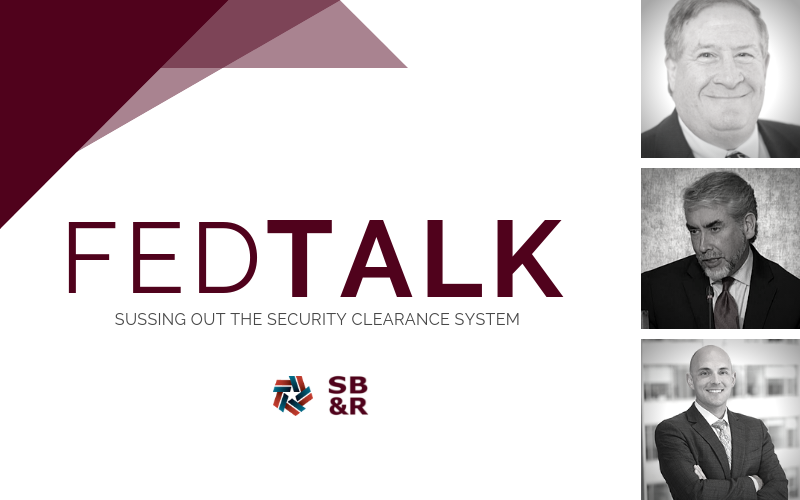
Navigating the security clearance process in an evolving world can be difficult. FEDtalk brought together security clearance specialists from the federal government, industry, and personnel side to discuss how the process is changing and how those changes impact applicants. Joining host Tony Vergnetti was the Director of the Defense Office of Hearings and Appeals (DOHA), Perry Russell-Hunter; Executive Vice President and Counsel to the Professional Services Council, Alan Chvotkin; and Partner at Shaw Bransford & Roth, Chris Keeven.

Federal Circuit Skips Quorum-Less Board, Remands to MSPB Administrative Judge
After waiting years for the adjudication of his case without a quorum at the MSPB, a former federal employee requested relief from the United States Court of Appeals for the Federal Circuit. On April 30, 2019, the appeals court granted his motion.
Customer Feedback Legislation Reintroduced In 116th Congress
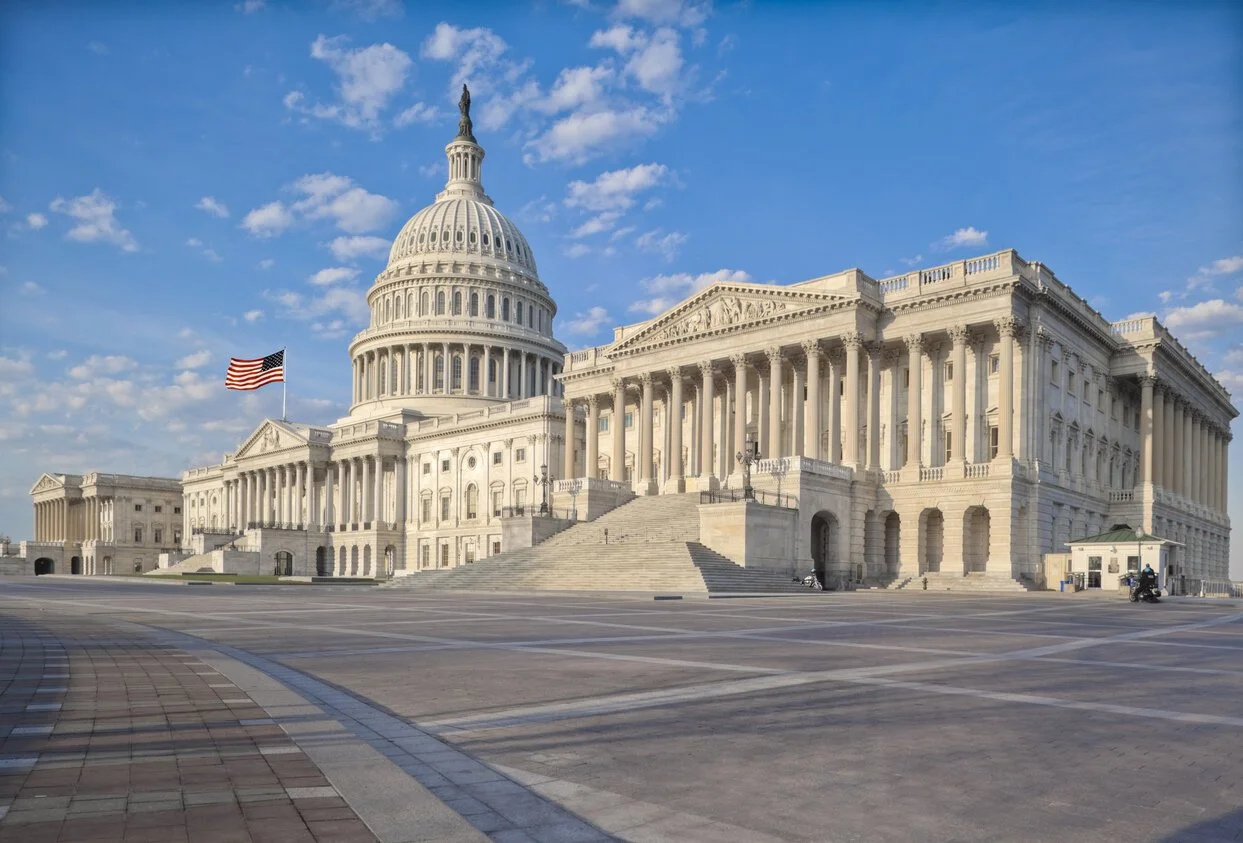
Lawmakers in the House of Representatives passed a temporary funding measure, or continuing resolution (CR), to fund the government until December 20. House members voted Tuesday with the hopes of moving the legislation to the Senate for a vote later in the week and onto the president’s desk for signature before the current CR expires at midnight on Thursday.

Giving Feds Credit for Temporary Service Performed is the Right Thing To Do
On Thursday, May 2, Representatives Derek Kilmer (D-WA) and Tom Cole (R-OK) introduced the Federal Retirement Fairness Act (H.R. 2478). The bill would allow Federal Employees Retirement System (FERS) employees an opportunity to make catch-up retirement contributions for service performed in temporary positions. This has been one of FMA’s legislative priorities for several years.
Sussing Out the Security Clearance System
Last week, President Trump signed an executive order officially moving all security clearance functions under the purview of the Department of Defense. To find out what this change means for the process, the backlog, and the future, tune in to FEDtalk this Friday to have all of your questions answered.

OPM Issues Final Rule on Compensatory Time Off for Religious Holidays
In a rule released on April 29, the Office of Personnel Management (OPM) clarified how agencies should handle religious holidays and compensation for employees when the holidays do not coincide with a federal holiday. Under the rule, federal employees will be able to take paid time off for religious holidays as long as they work overtime at their normal pay rate to compensate for the time missed.

All Security Clearances Officially Move to DOD
In an executive order signed on April 24, President Trump moved all background investigations for security clearances to the Department of Defense (DOD), a long-anticipated action. As part of the National Defense Authorization Act of 2018 (NDAA), the DOD was given expanded control over the security clearance process. Rather than having the process remain split between the Office of Personnel Management (OPM) and the DOD, this executive order transfers the entire process to one agency.
Rep Introduces Legislation To Give Press Greater Access To Executive Branch
The NDAA summary report released by the committees includes several provisions impacting the civilian federal workforce. Most notably, the conference agreement provides 12 weeks of paid parental leave to all federal civilian employees.

IRS Releases Six-Year Modernization Plan
The Internal Revenue Service (IRS) has released a six-year plan to improve information technology systems and services to taxpayers. The plan includes four “modernization pillars” that the agency plans to expand upon over time based on emerging needs, priorities, and partnerships with the tax community. Ultimately though, the plan depends on Congressional funding.

FCC Launches Fund to Bring Broadband to Rural America
The Federal Communications Commission (FCC) is taking steps to combat the digital divide with a $20 billion rural broadband fund. Over the next ten years, this fund will be used to assist rural communities in bringing high speed internet access to their areas.
Bill Introduced To Reward DEA Agents With Foreign Language Skills
The NDAA summary report released by the committees includes several provisions impacting the civilian federal workforce. Most notably, the conference agreement provides 12 weeks of paid parental leave to all federal civilian employees.

Supreme Court Denies Certiorari on MSPB Jurisdiction Case
Two United States Postal Service employees challenged MSPB dismissals, for lack of jurisdiction, of their removal appeals. The MSPB found that the employees did not have appeal rights because they did not meet the definition of “employee” under 5 U.S.C. § 7511(a)(1)(B)(ii), which requires one year of current continuous service. The United States Court of Appeals affirmed the MSPB’s dismissals. On April 1, 2019, the United States Supreme Court denied the petition for writ of certiorari appealing the appeals court decision, thereby affirming and making final the dismissal of the employees’ MSPB removal appeals.
Spring has sprung… And so has an allegation.
Allegations can spring upon you at any point as a federal employee. If you were informed of an allegation being made against you tomorrow, would you be prepared?

Fitting Leadership Development into Busy Schedules
Even though senior leaders know they need to keep their skills sharp through continued development opportunities, finding the time, let alone the budget, for training and development is a constant challenge.

More Data Needed to Understand Impact of New Technologies on Workforce, GAO Finds
Fear has loomed for quite some time regarding the impact of automation on the U.S. workforce, and a recent Government Accountability Office (GAO) report only raises more questions. While the GAO was able to gather some information regarding the impact of advanced technologies on employment trends, lacunae persist. To fill these data gaps, the GAO requests that the Department of Labor (DOL) use existing or new data collection methods to better track how the workforce is impacted by new technologies.

NASA Program Awards 18 Innovation Grants for 2019
The National Aeronautics and Space Administration (NASA) has announced 18 “potentially revolutionary” technology concepts selected for funding through the NASA Innovative Advanced Concepts (NIAC) program. These concepts include a range of technologies that could transform human and robotic exploration outside Earth.
Federal Employee Paid Leave Bill Introduced In Senate
The NDAA summary report released by the committees includes several provisions impacting the civilian federal workforce. Most notably, the conference agreement provides 12 weeks of paid parental leave to all federal civilian employees.