

TED Talk: How to Disagree Productively and Find Common Ground
World champion debater Julia Dhar draws on her experience to offer suggestions for disagreeing productively to find common ground.

Connolly Bill Aims To Improve Federal Retiree COLAs
A new bill from Congressman Gerry Connolly (D-VA) aims to bring more parity to federal retirement, ensuring no differences between the current Federal Employee Retirement System (FERS) and the Civil Service Retirement System (CSRS) governing some federal employees who retired in previous years, prior to FERS’ creation in 1986 and subsequent implementation.

Excuses, Excuses, Excuses
We get several calls a week from federal agency managers who need legal advice or representation but don’t have FEDS Protection in place.

What Feds Can Expect In The New Congress
The NDAA summary report released by the committees includes several provisions impacting the civilian federal workforce. Most notably, the conference agreement provides 12 weeks of paid parental leave to all federal civilian employees.

Preparation Tips for FEHB Open Season 2019
As a federal employee, it is important to ask yourself if your current health plan is working for you. A change in marital status or a newly discovered medical condition can impact your coverage needs. To better adjust to the unexpected events in life, the Office of Personnel Management hosts its annual Federal Employee Health Benefits (FEHB) Open Season.

Veterans Voices: Listening Is Honoring
Andy Fancher is a 19-year-old on a mission to preserve history. For the past three years, he’s been documenting the stories of World War II veterans on his YouTube channel.
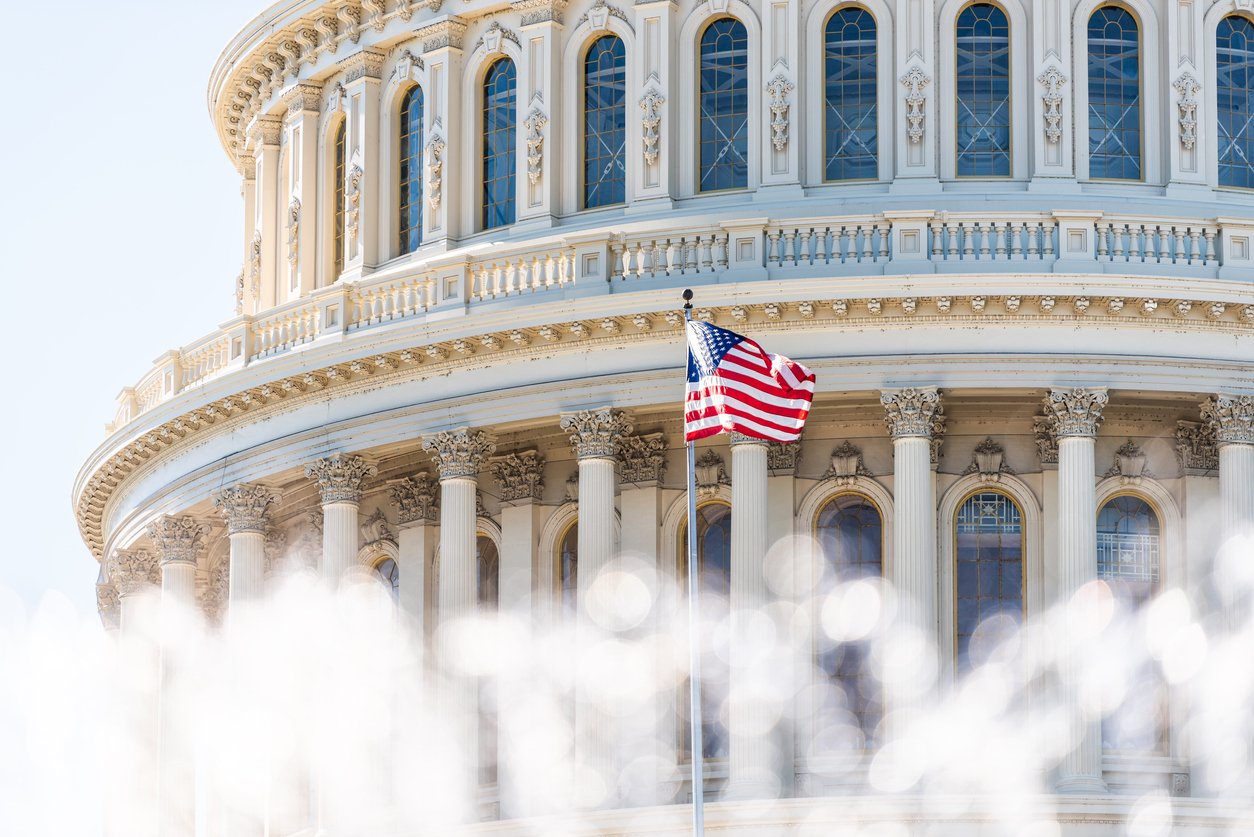
What Feds Can Expect In The New Congress
Just one week after the mid-term elections saw power in the U.S. House of Representatives shift into the hands of Democrats and control of the Senate remain in Republican hands, D.C. has been speculating as to what the changes are likely to mean for the federal workforce.

Election Day: Which Federal Workforce Matters Will Be Impacted?
The NDAA summary report released by the committees includes several provisions impacting the civilian federal workforce. Most notably, the conference agreement provides 12 weeks of paid parental leave to all federal civilian employees.

Parties in OPM Data Breach Suit Hold Oral Arguments at D.C. Circuit Court of Appeals
In a consolidated multidistrict class action against the Office of Personnel Management following a severe data breach of OPM’s cybersecurity that affected millions of federal employees and former federal employees, federal employees and the union alleged gross negligence and a violation of constitutional rights to informational privacy.
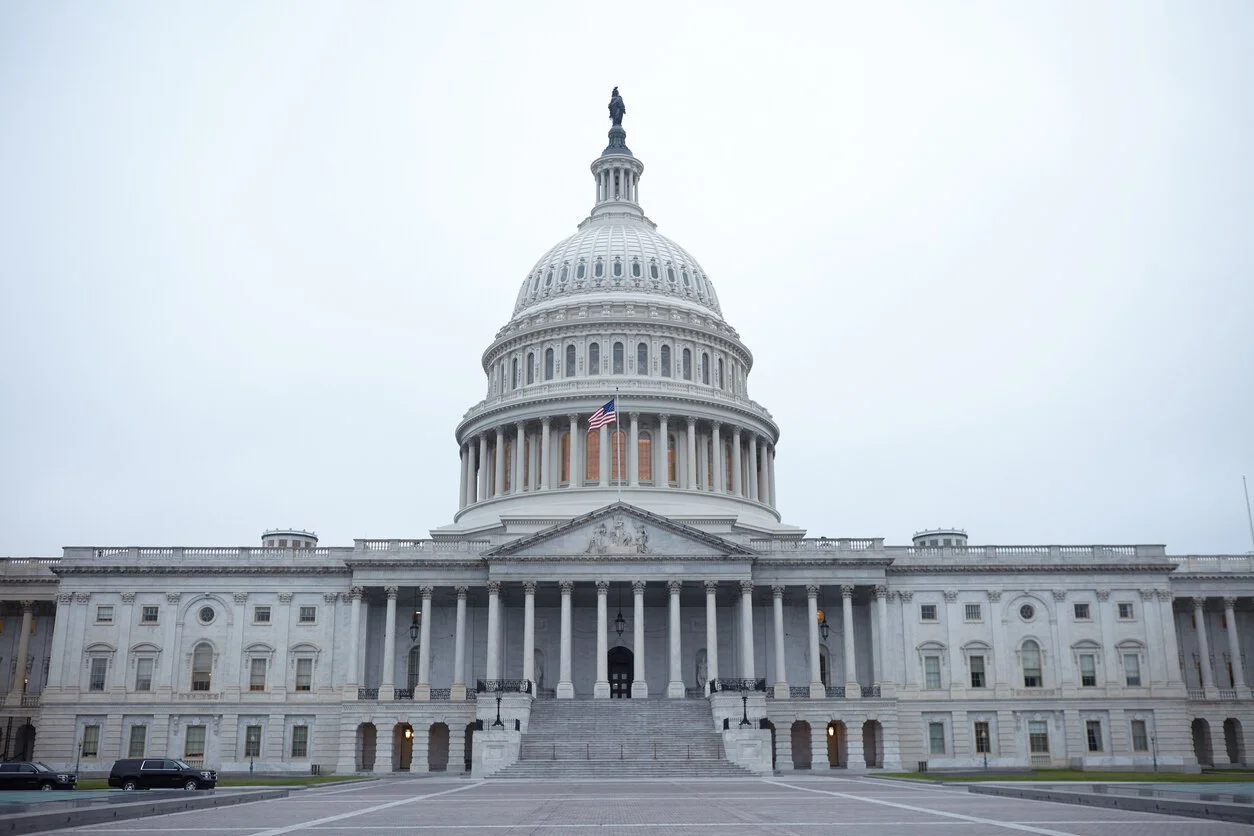
Senators Warner, Gardner Introduce Legislation To Address Internet Of Things Security Concerns
The NDAA summary report released by the committees includes several provisions impacting the civilian federal workforce. Most notably, the conference agreement provides 12 weeks of paid parental leave to all federal civilian employees.

Let’s Fix the Unfair Federal Retirement Rule
In April, we wrote about the Federal Retirement Fairness Act (H.R. 5389), bipartisan legislation introduced by Representative Derek Kilmer (D-WA) and Walter Jones (R-NC). FMA endorsed the bill, which would allow a Federal Employee Retirement System (FERS) employee to make a deposit, plus interest, and receive credit toward his or her annuity computation for non-deduction service performed on or after January 1, 1989.

Are You Ready For Open Season?
With open season just around the corner, tune in to FEDtalk this Friday to hear about some of your options as a federal employee when making benefits decisions and planning for your future.
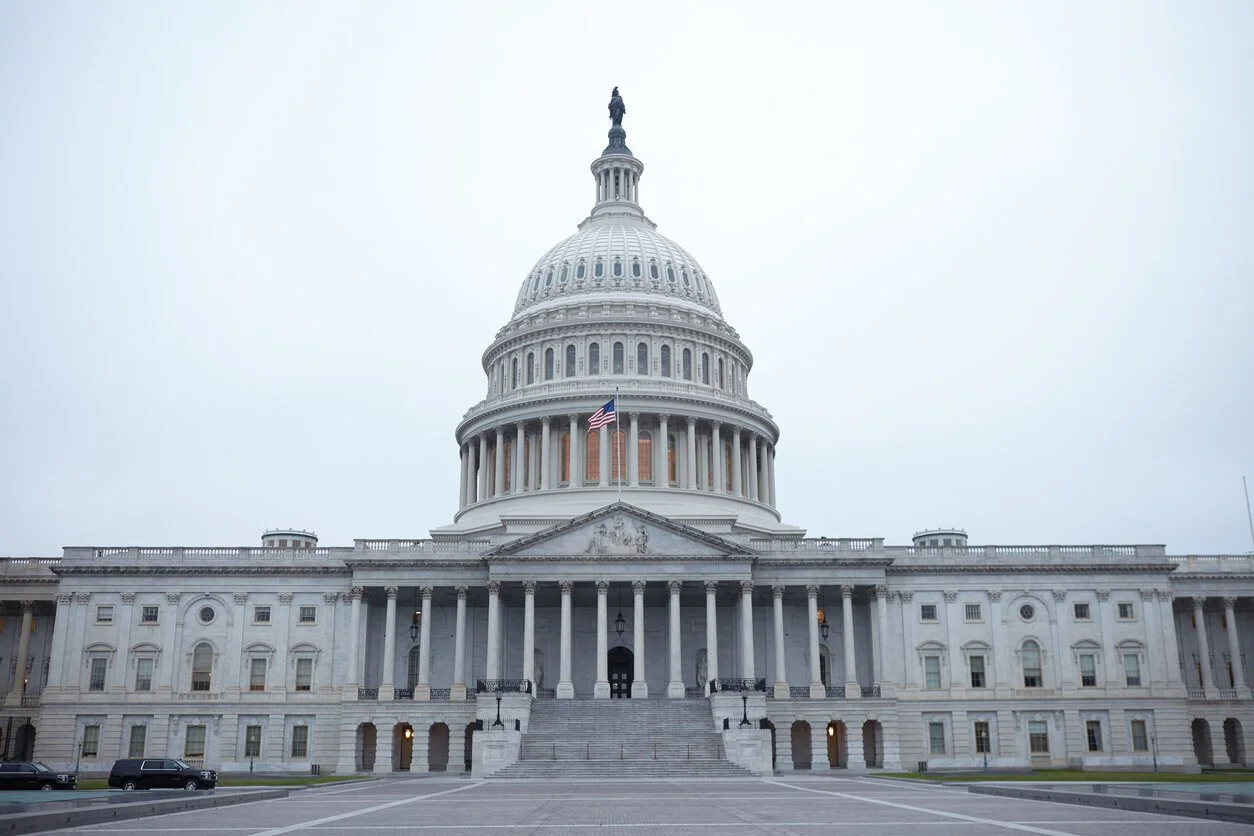
Growing Calls For Bipartisan Rules Reform In 116th Congress
A House ‘dear colleague’ letter, supported and posted by the Legislative Branch Capacity Working Group and sent by Reps. Derek Kilmer (D-WA-06) and Ken Buck (R-CO-04), is urging other House members to support steps to implement bipartisan rules reform heading into the 116th Congress. The letter outlines what Kilmer and Buck say are its primary goals, arguing that, “with Congress’s approval rating continuing to hover below 20%, we have an obligation to take meaningful steps to improve how this body operates in order to serve the interests of the American people.”

Federal Managers – Are You Prepared to Take the Stand?
The recent Supreme Court nomination process has demonstrated to the public at large that any Federal employee can be brought forward to testify in a Senate Hearing.
VA Target Of Congressional Accusations Surrounding Private Influence On The Agency
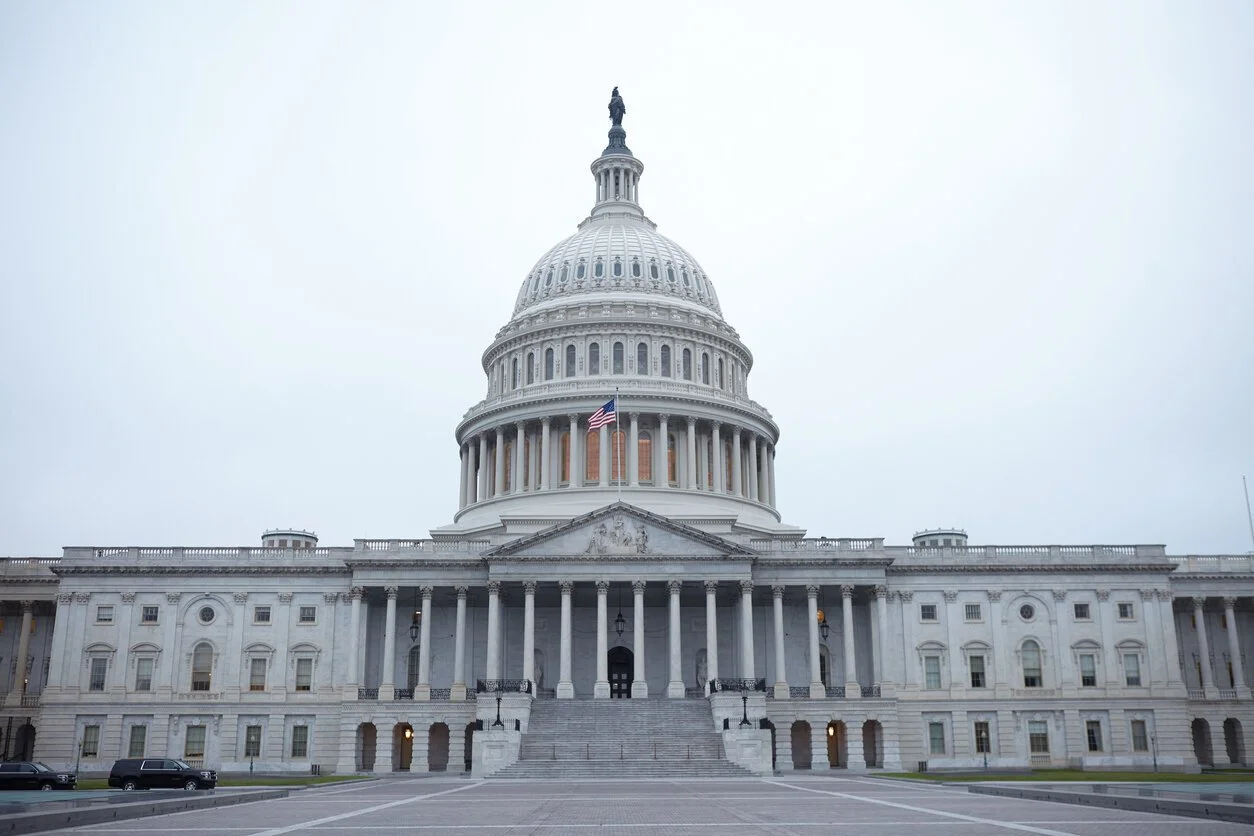
Following a Congressional request for more information, the Department of Veterans Affairs (VA) has reportedly declined to provide documents “related to accusations that outside businessmen are unduly influencing department policy,” according to Leo Shane III of Military Times. The VA has cited ongoing legal disputes in declining to provide the documents.

Considering Life Insurance? Take a Detailed Needs Analysis
When purchasing life insurance, it's important to understand the financial needs of your beneficiaries before you choose a policy. Many individuals tend to think backwards when it comes to life insurance. They make critical decisions on the product they want, whether it’s permanent life insurance, basic term life insurance or even a combination of both, before thinking through the amount of protection they need. As such, you really need to first figure out how much life insurance you need before you even think about the product that would be most appropriate. A needs analysis can help you determine how much life insurance you should buy.
Federal Pay Raise For 2019 Looks Increasingly Likely
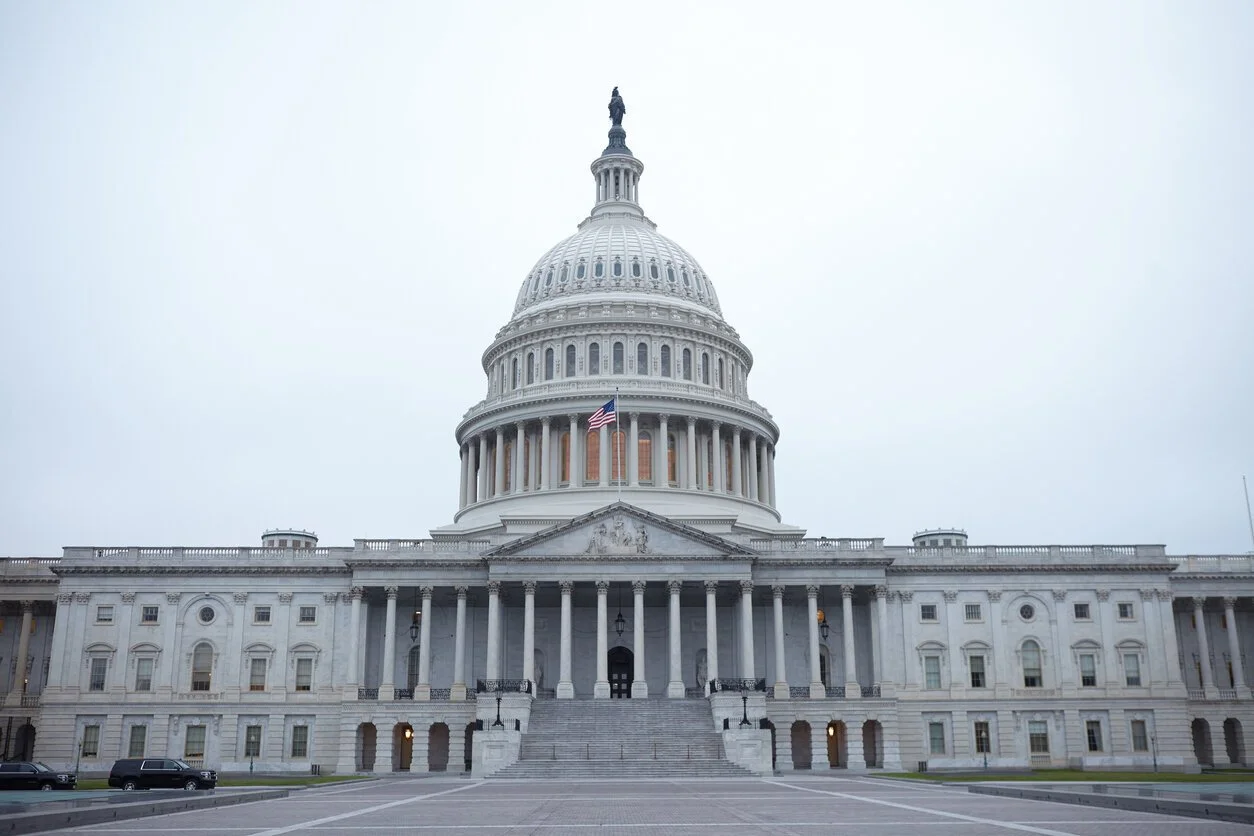
Last Thursday, after weeks of back-and-forth regarding whether federal employees could expect to see a proposed 1.9% pay increase in 2019, House Republicans reportedly “struck a tentative deal on a federal pay raise for civilian federal employees,” according to Federal News Network and The Washington Post.
The 40-Year History Of The Civil Service Reform Act
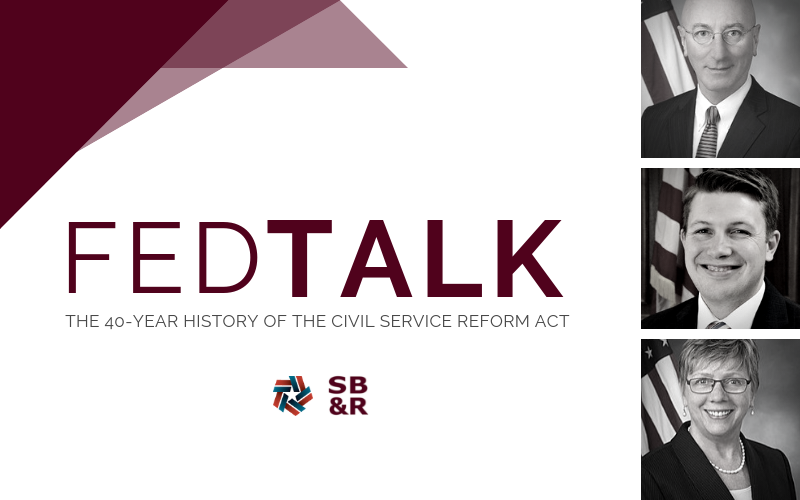
On October 13th, 2018, the Civil Service Reform Act (CSRA) turns 40 years old. The CSRA fundamentally changed the federal government and its workforce, spawning the majority of regulations, policies, and structures that continue to govern the day-to-day business of work within the federal government.