

Court of Appeals: No Jurisdiction over Board Decision without Final Order
A firefighter at the Department of the Navy petitioned the United States Court of Appeals for the Federal Circuit for review after the Merit Systems Protection Board ordered the Agency to determine if and when the employee would have been removed had he not retired before settling on what relief to grant him in the successful appeal of his involuntary retirement.
Navy: Continuing Resolutions Caused $4 Billion Waste
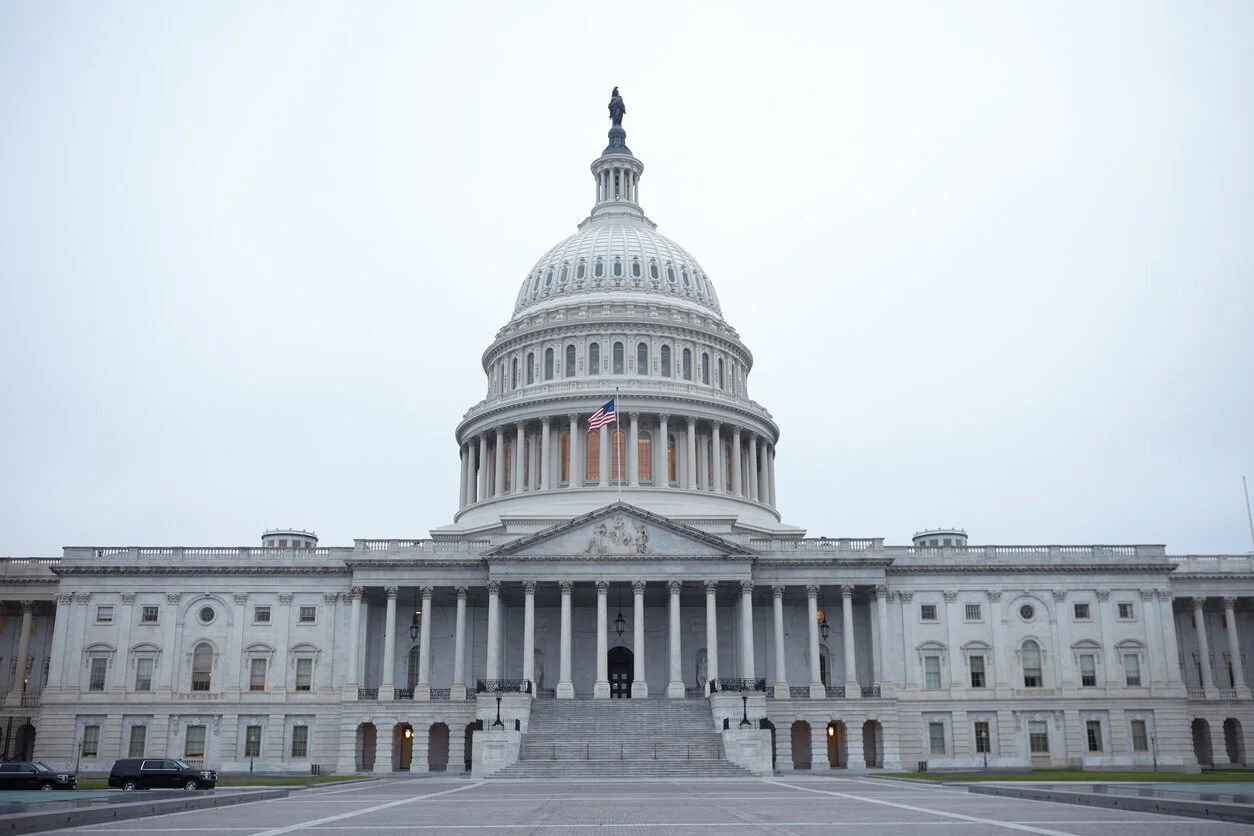
As Congress faces the prospect of passing another short-term continuing resolution, rather than a full-year budget, Navy Secretary Richard Spencer told a U.S. Naval Institute forum that the practice has been costly to the agency over the past six years.
This Week on FEDtalk: 2017 in Review
Tune in this week for a panel discussion year in review with top federal government reporters.

EEOC Issues Annual Performance Report
On November 15, 2017, the United States Equal Employment Opportunity Commission issued its annual Performance and Accountability Report, accompanied by a press release that touted the Agency’s improved management of case inventory, and the $86 million in monetary relief for federal employees and applicants that was secured through the EEOC.

What a Difference a Decade Makes
FEDS just celebrated its 10-year anniversary defending federal employees. When the company was founded, the goal was to provide the very best legal representation and customer service in the industry – and we did that.
10 Days Until Government Shutdown
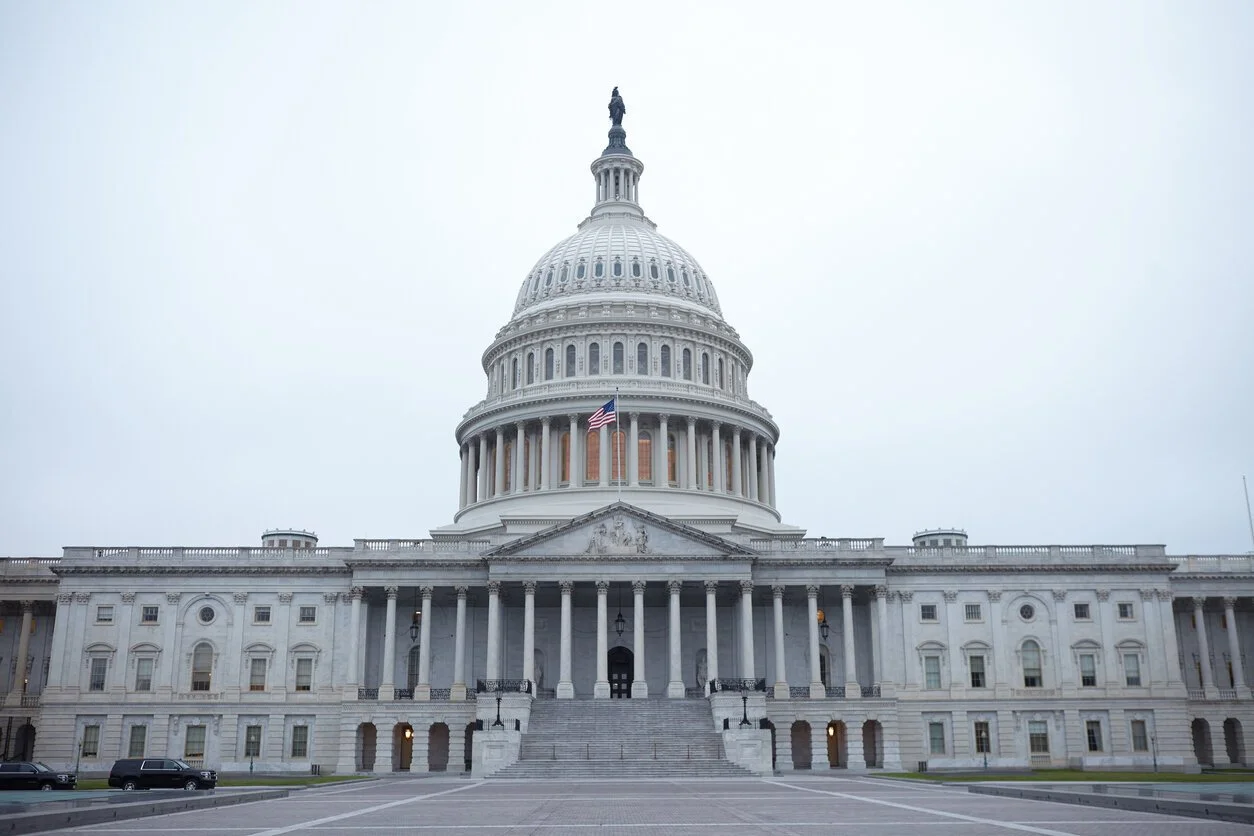
Congress returned from its recess this week to a busy agenda and, most pressingly, only ten days to act before the federal government shuts down.
This Week on FEDtalk: When Gov Goes Modern
News coverage is consistently filled with reports of the latest purported government “scandal” or failure. While these issues may often deserve attention, they frequently drown out examples of government done well.

Two Employees Petition the Supreme Court to Hear Appeal Deadline Cases
On October 6, 2017, two petitions for writs of certiorari were filed with the United States Supreme Court, asking the Court to determine whether the time period for a federal employee to appeal a final order of the Merit Systems Protection Board to the United States Court of Appeals for the Federal Circuit is purely jurisdictional, and therefore cannot be “equitably tolled” under any circumstances.

FMA Pushes for Extension of Probationary Period
On Thursday, November 2nd, the House Committee on Oversight and Government Reform marked up the EQUALS Act of 2017 (H.R. 4182) by a vote of 19 – 17. H.R. 4182 was introduced by Rep. James Comer (R-KY) and would extend the probationary period for employees entering the federal workforce to two years upon the completion of formal training.

Congress Enacts Dr. Chris Kirkpatrick Whistleblower Protection Act of 2017
On October 26, 2017, the Dr. Chris Kirkpatrick Whistleblower Protection Act (“the Act”) of 2017, was enacted. Dr. Kirkpatrick, a clinical psychologist at a VA Medical Center who complained that his patients were often too affected by medication to treat properly, committed suicide in 2015 after he was removed during his probationary period.
Sen. Cardin Says Feds Should 'Be a Little Outraged' Over Proposed Pay and Benefits Cuts
In an interview last week on Federal News Radio’s Federal Drive with Tom Temin, Senator Ben Cardin (D-MD) reminded federal employees that dodging the $32 billion in cuts to federal retirement that were components of both the White House and House of Representatives budget proposals does not mean federal employees no longer have cause for concern.

Appeals Court: FBI Employees Cannot Raise Defense of Whistleblower Reprisal in Adverse Action Appeals
On October 26, 2017, the Federal Circuit Court of Appeals, after granting the Department of Justice’s petition for rehearing en banc, vacated its prior decision, and found that preference-eligible FBI employees appealing an adverse action to the Merit Systems Protection Board may not raise an affirmative defense of whistleblower reprisal, nor may they file an individual right of action (“IRA”) appeal to bring whistleblower claims to the Board.

You Can't Turn the Clock Back on an Allegation made Against You
You are dedicated. You are hardworking. You have an exemplary record. You would never need a lawyer to defend an act, error or omission in the course of your employment. Unfortunately, your phone call is the hardest one we receive and almost always starts with, “I can’t believe this is happening to me.”
President Trump Demands Tax Reform by Christmas
During a meeting today, President Donald Trump indicated his goal is to sign a tax reform bill before Christmas, a statement that increases the pressure on Congressional Republicans who have thus far found difficulty agreeing on what specific shape various aspects of a tax overhaul proposal should take.

Federal Circuit Court of Appeals Grants Petition for Rehearing En Banc in Due Process Case
On October 13, 2017, the United States Court of Appeals for the Federal Circuit granted a petition for rehearing en banc filed by the Department of Defense, and vacated the court’s panel opinion in Federal Education Association-Stateside Region v. Department of Defense. 841 F.3d 1362 (Fed. Cir. 2016), reversing an arbitrator’s opinion after finding a due process violation. In its October 13, 2017 order, the appeals court requested that the parties address the relevant cases and issues, but specifically requested that the parties address the court’s decisions in Sullivan v. Department of Navy, 720 F.2d 1266 (Fed. Cir. 1983) and Ryder v. United States, 585 F.2d 482 (Ct. Cl. 1978).
President Trump Visits Capitol Hill to Talk Tax Reform Amidst Ongoing Feuds
President Donald Trump is scheduled to visit Capitol Hill today to meet with Republican lawmakers in a discussion with wide-ranging implications on legislative proposals, most notably on the shape of any forthcoming tax reform proposal.

Managers Critical of FY2018 Funding Process
To say the process to fund the federal government is complex is an understatement. Considering that spending, including both mandatory and discretionary, totals more than $4 trillion dollars annually, that makes sense
This Week on FEDtalk: Doing More with Less
This week on FEDtalk, we are discussing the dwindling capacity of members and their staffs to effectively do their jobs as responsibilities increase.