

Supreme Court Stalemate in Public Sector Union Case
The United States Supreme Court reached a 4-4 split in deciding whether non-union members could be charged compulsory fees via an agency shop agreement in public sector unions.
Social Media and the Hatch Act: How To Make Sure your Tweets Don’t Cost You Your Job
As we approach the presidential election in November, it is important for all federal employees to review the guidelines governing their expression of political support. The governing law, as all federal employees should know, is the Hatch Act. First passed in 1939, the Hatch Act regulates what federal employees can share or promote regarding political campaigns. The act is frequently updated, and the latest revisions in 2014 outlined how federal employees can display their political preferences on social media. While most federal employees are familiar with Hatch Act provisions in their everyday interactions, the explosion in social media over the last decade and its removed quality leads some employees to forget that the Hatch Act applies on social media as well.

FMA Elects New National President
Renee Johnson will lead the Federal Managers Association (FMA) as their newly elected national president.
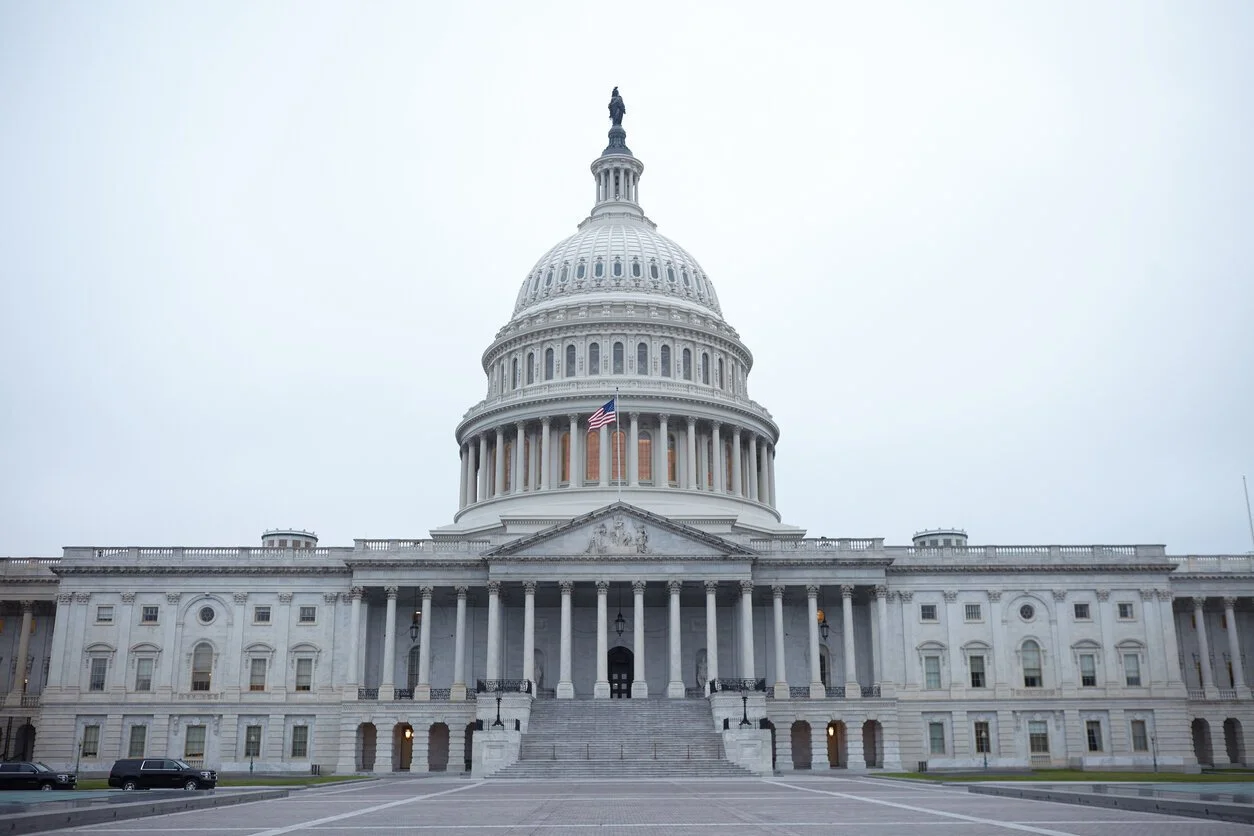
House Subcommittee Approves Bill To Cut SES Performance Awards At VA
The House Appropriations Subcommittee on Military Construction and Veterans Affairs (MilCon-VA) has approved a spending bill that would exclude senior executives at the Veterans Affairs Department (VA) from receiving bonuses in fiscal 2017.
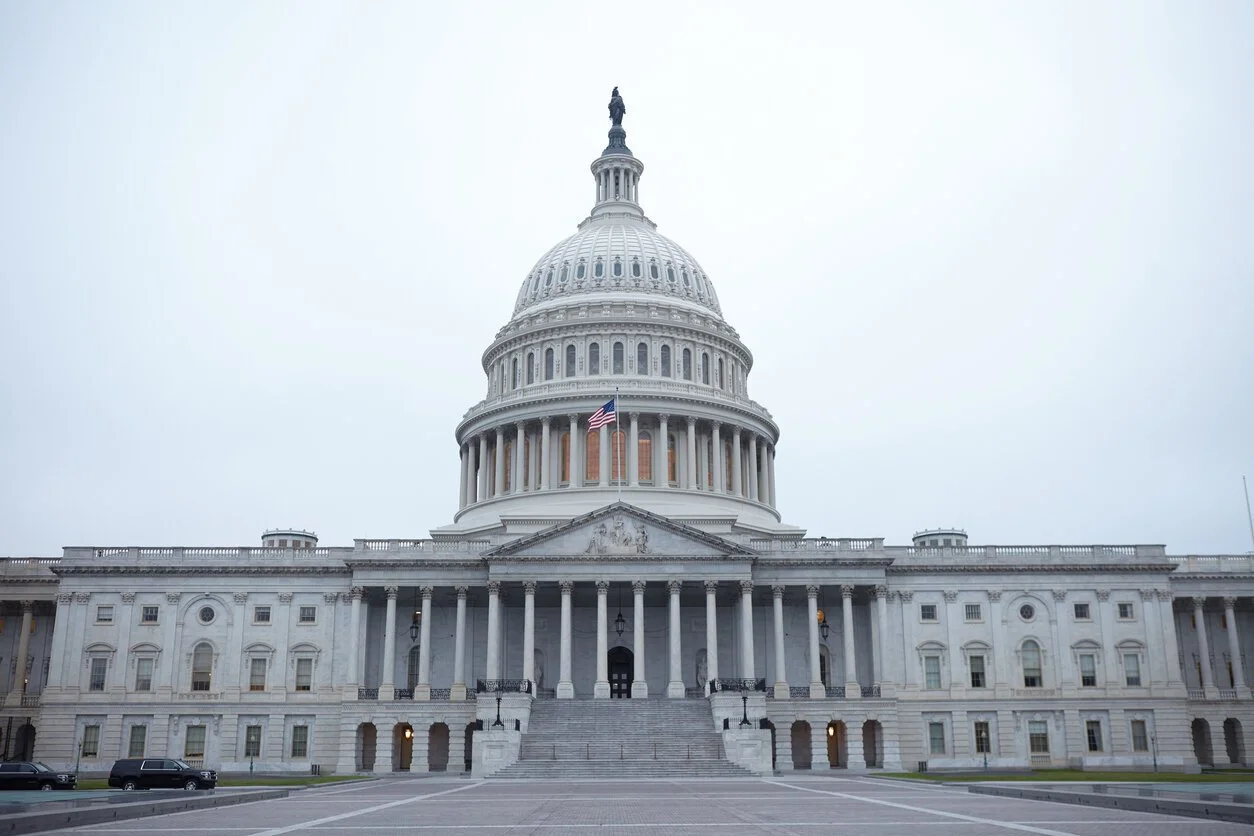
House Launches Investigation Of Federal Workforce Compensation
Rep. Jason Chaffetz (R-UT), Chairman of the House Oversight and Government Reform Committee, has initiated a broad investigation into the federal workforce, ss reported by The Washington Post.

Consolidated Navy Furlough Due to Sequestration Appeals Denied by Board
Years after the furlough, the Merit Systems Protection Board affirmed the Navy’s use of the furlough on a number of employees contesting the furlough’s applicability to their positions.
This Week on FEDtalk: Government Performance–What are we Measuring?
The Performance Institute will host its 2016 Government Performance Summit in Washington, DC on May 16-18, 2016.
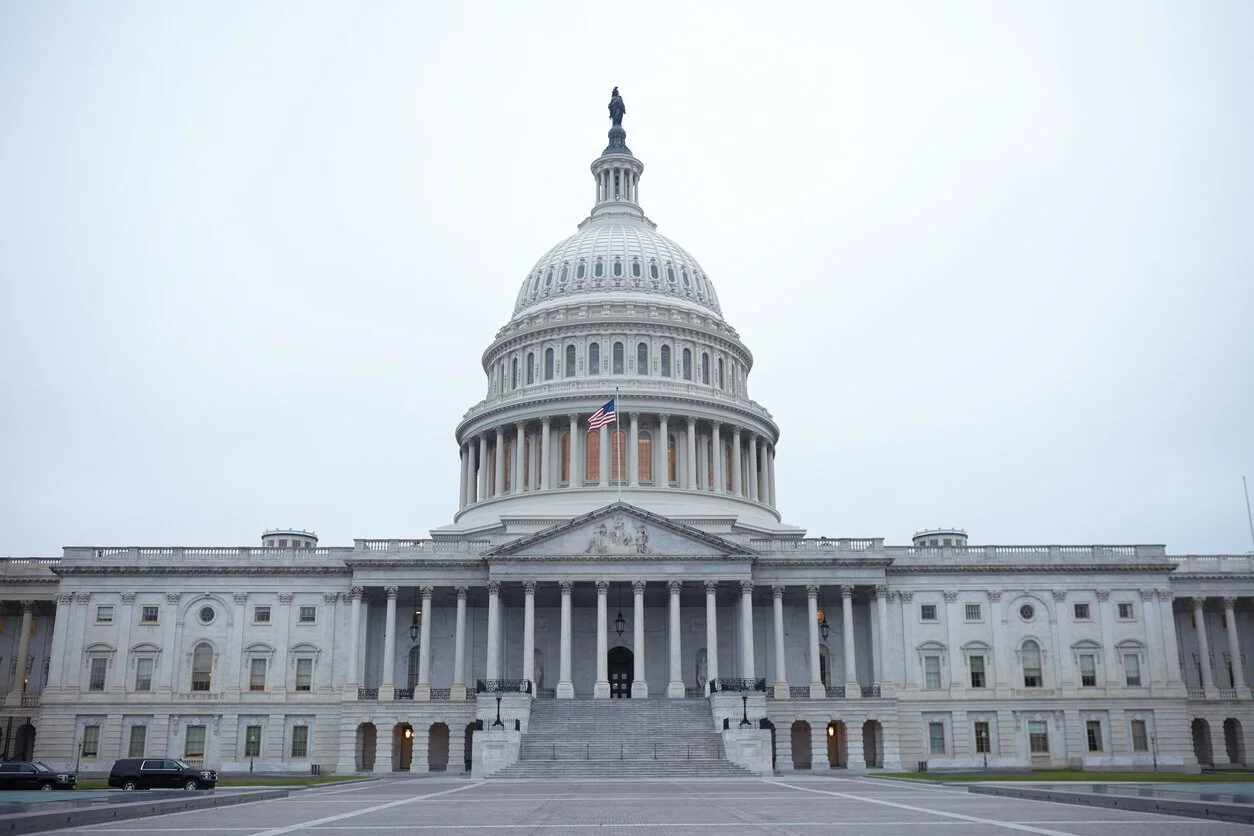
Congressional Offices: Understaffed, Underfunded, Underperforming
In an effort to decrease the intense staff turnover and declining policy expertise on the Hill, five long-time Congressional observers sent a letter to House and Senate Republican and Democratic leaders, urging them to create a Joint Committee on the Capacity of Congress “to examine and improve congressional operation, which is suffering from understaffing and underfunding.”

Marijuana Still a Firing Offense for Feds
The full Merit Systems Protection Board disagreed with an MSPB administrative judge regarding the reasonableness of the penalty of removal after an employee admitted to using marijuana.
House Panel Moves To Limit Administrative Leave Use
Following last month’s introduction in the Senate, the House Oversight and Government Reform Committee has passed its own measure to curb the use of administrative leave.

OPM Cannot Divest Board of Jurisdiction Until It Achieves True Status Quo Ante
An annuitant collecting a survivor benefit claimed she had not been returned to status quo ante following OPM’s unilateral rescission of its final decision during her MSPB appeal, and the Board remanded the case to determine whether true status quo ante had been achieved.

This Week on FEDtalk: Improving Design Standards Across Government
With the introduction of the U.S. Web Design Standards and similar initiatives, federal agencies are putting a greater emphasis than ever on creating the best digital versions of themselves. Yet the designers responsible for creating these experiences have felt like individual islands with little connection to counterparts at other agencies.
House Passes Presidential Tranasitions Legislation
As federal workers prepare for the upcoming Presidential transition, the House has passed a bipartisan bill intended remove the politics from this process.

Veterans Benefits Administration Fails to Rebut Whistleblower Reprisal Claim Despite Lack of Evidence of Motive to Retaliate
Although the Merit Systems Protection Board found little evidence of retaliatory motive on the part of the Agency, the Veterans Benefits Administration presented insufficient evidence to show that it would have canceled an employee’s duties as Program Manager regardless of her disclosure that she believed Federal Acquisition Regulations had been violated.

New Appeal Deadline Granted After OSC Reopened Case
An employee who produced new evidence to the Office of Special Counsel (OSC) and had a new case opened had a renewed right to an individual right of action appeal after OSC issued a new close-out letter, found the Merit Systems Protection Board.
Legislative Proposals on Whistleblowers and Inspectors General
Whistleblowers and Inspectors General are a popular lot on Capitol Hill, since they identify issues large and small at agencies. As like any human being, sometimes the two make mistakes – and those mistakes can have huge implications for employees, agencies, and government policy.

MSPB Reverses Suspension of Employee Charged with Creating Appearance of Conflict of Interest
The Department of Homeland Security (“DHS”) suspended a Contracting Officer Representative for 30 days after alleging that the employee created the appearance of a conflict of interest and failed to disclose an outside business venture, but the Merit Systems Protection Board reversed an administrative judge’s initial decision upholding the penalty, finding that no appearance of a conflict of interest had been created and that the employee had no prior duty to disclose the outside activity at issue.
House Bill Would Improve Pay And Protections For TSA Workers
Earlier this month, Reps. Bennie Thompson (D-Miss.) and Nita Lowey (D-N.Y.) introduced a bill to move more than 45,000 Transportation Security Administration (TSA) airport officers into Title 5 of the U.S. Code.