

American Rescue Plan Expands Benefits for Federal Workforce
On March 11, 2021, President Biden signed the American Rescue Plan Act of 2021, a $1.9 trillion COVID-19 relief package that expands benefits for the federal workforce and Americans.

3.2% Federal Pay Raise Bill Introduced in Senate
Sen. Brian Schatz (D-HI) formally introduced the Federal Adjustment of Income Rates Act, which would provide federal workers with a 2.2 percent across-the-board pay increase next year, along with an average 1 percent increase in locality pay. Rep. Gerry Connolly (D-VA) introduced companion legislation in the House in January.
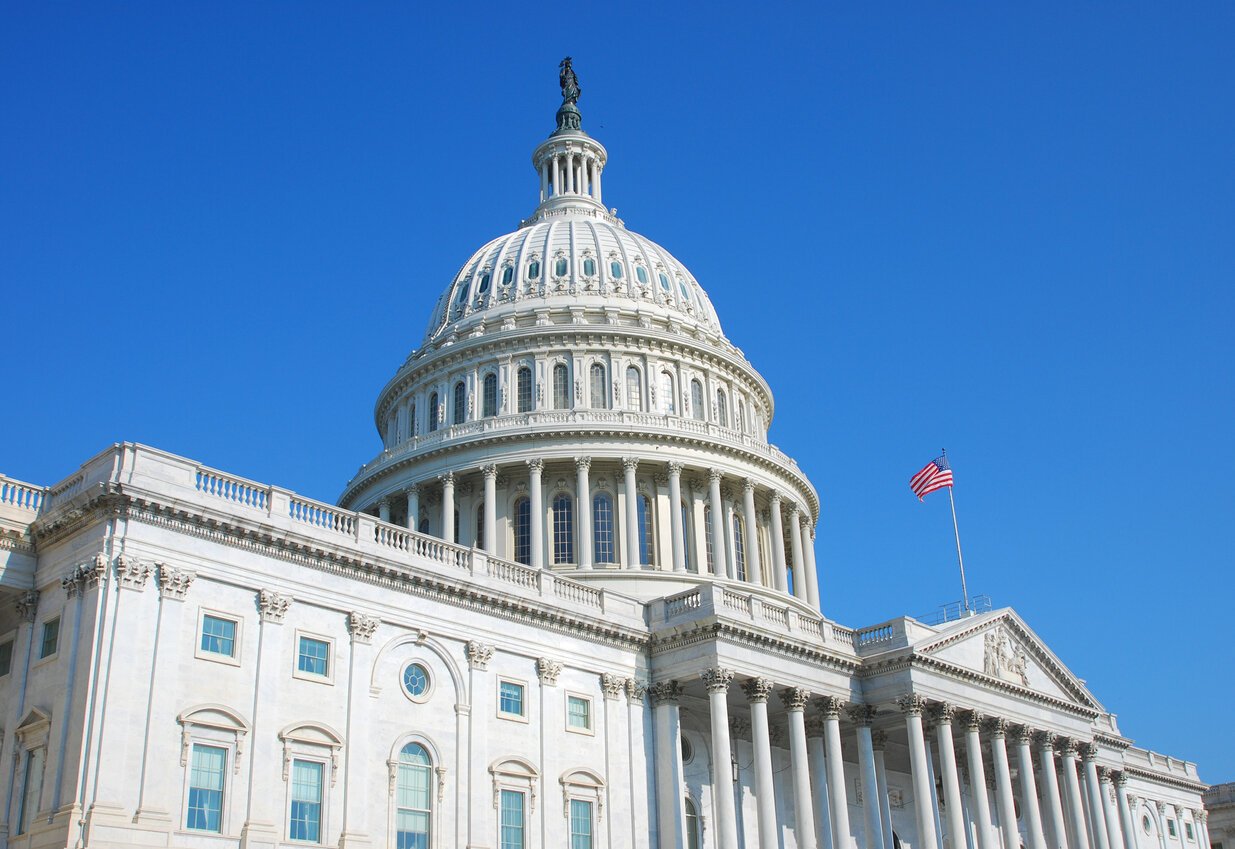
House Democrats Attempt to Bring Back Congressional Earmarks
House Democrats have moved to restart the use of earmarks in an effort to prevent Congressional gridlock and pass legislation more effectively. This move would alter how Congress allocates $1.4 trillion in discretionary funding. Earmarks allow members of Congress to itemize funds in appropriations packages for specific programs and projects in their district. Earmarks have been banned since 2011.
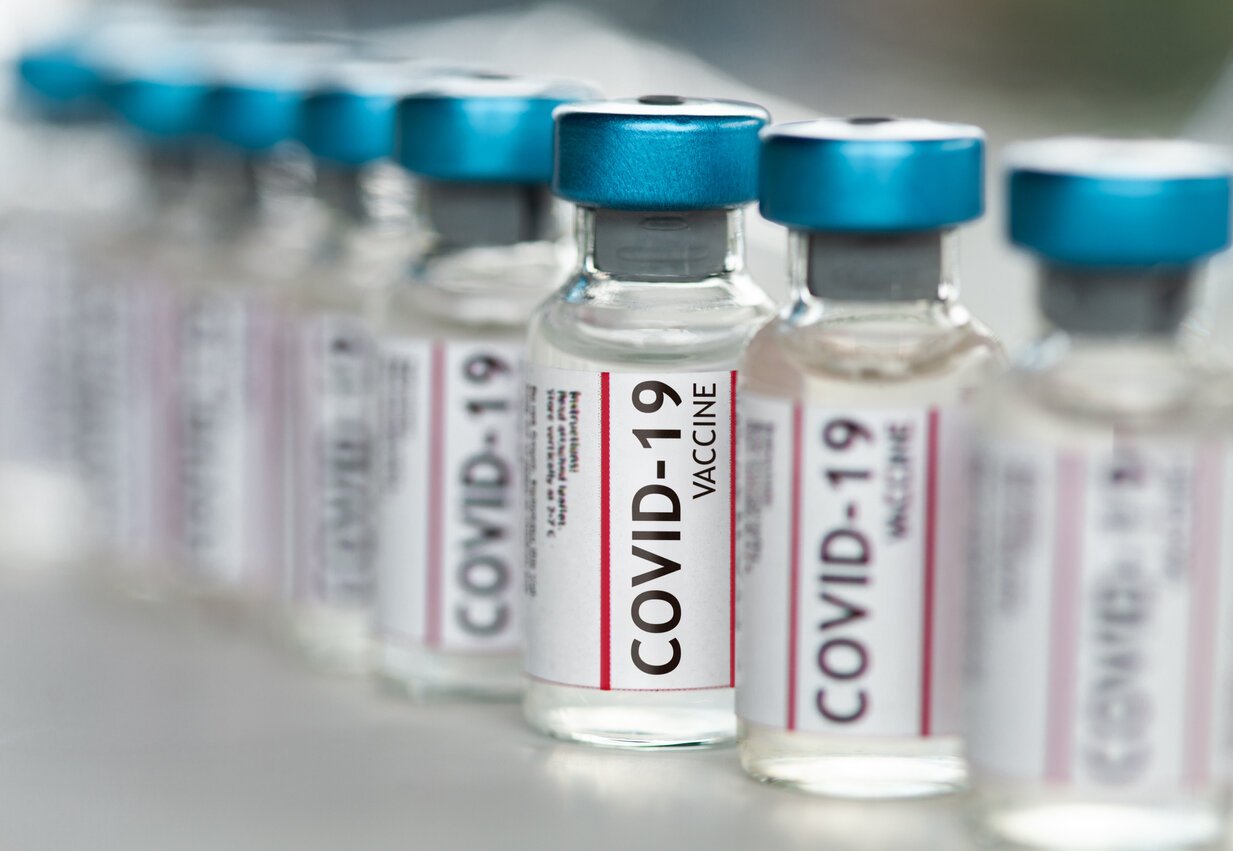
Lawmakers Push for More Vaccines for Federal Workforce
In a letter to Office of Personnel Management (OPM) Acting Director Kathleen McGettigan and Centers for Disease Control and Prevention (CDC) Director Rochelle Walensky, several Democratic lawmakers from the National Capital Region, including Rep. Don Beyer (D-VA) and Del. Eleanor Norton Holmes (D-DC), have requested that the federal government allocate vaccines for federal employees, especially those in the National Capital Region of Washington DC, Virginia, and Maryland.

New COVID-19 Relief Package Would Expand Benefits for Feds
The House Democrats have released the latest iteration of their COVID-19 relief package, including a provision to expand benefits for federal workers. The bill offers up to 600 hours of paid leave for those who have COVID-19 or are caring for someone who does. This time off can also be applied to parents whose children are learning from home and require supervision. This leave can be used through September 30, 2021.
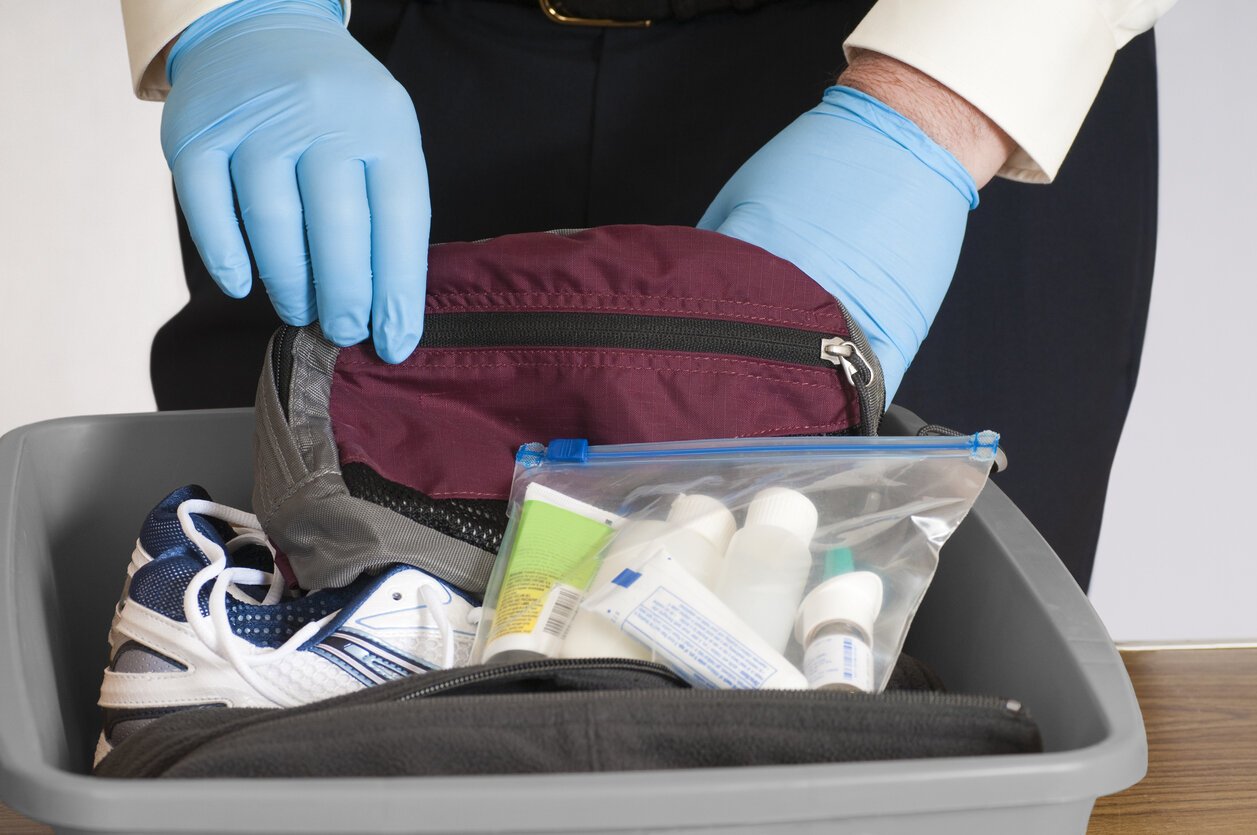
TSA Employees Would Receive Expanded Work Protections Under Proposed Act
Leading House Democrats on the Homeland Security, Appropriations, and Transportation Committees re-introduced the Rights for the Transportation Security Administration Workforce Act of 2021 in Congress. The bill, passed twice by the House in the 116th Congress, would expand workforce protections for employees of the Transportation Security Administration (TSA).

New Legislation Calls for Expanded Paid Leave for Feds
House Committee on Oversight and Reform Chairwoman Rep. Carolyn Maloney (D-NY) recently introduced the Comprehensive Paid Leave for Federal Employees Act, which would provide 12 weeks of paid leave every year to all federal workers to deal with personal illness, care for a family member with illness, or in connection with a family member going on or returning from active military duty.

Democrats Propose 3.2% Pay Raise for Feds
Democrats in both the House and Senate are pushing for a 3.2 percent pay raise for federal employees in 2022. The Federal Adjustment of Income Rates (FAIR) Act, introduced by Rep. Gerry Connolly (D-VA) and Sen. Brian Schatz (D-HI), would give all federal employees a 2.2 percent pay increase and an average 1 percent increase in locality pay.
Biden Nominees Begin Senate Confirmation Hearings
President-elect Joe Biden is nominating new people to his cabinet as he prepares to serve as the next President of the United States. The Senate has five hearings for key officials on January 19th. The nominations are: Retired Army Gen. Lloyd Austin to serve as Secretary of Defense, Janet Yellen to serve as Secretary of the Treasury, Alejandro Mayorkas to serve as Secretary of Homeland Security, Antony Blinken to serve as Secretary of State, and Avril Haines to serve as Director of National Intelligence.

House Passes Bill to Increase Transparency in Agency Use of Funds
The Congressional Budget Justification Transparency Act (H.R. 22), introduced by U.S. Representative Mike Quigley (D-IL), passed the House in a 412-2 vote. This bipartisan bill would increase transparency of government funding by allowing the public to access an easy to use database with a breakdown of spending.
An Overview of the 117th Congress
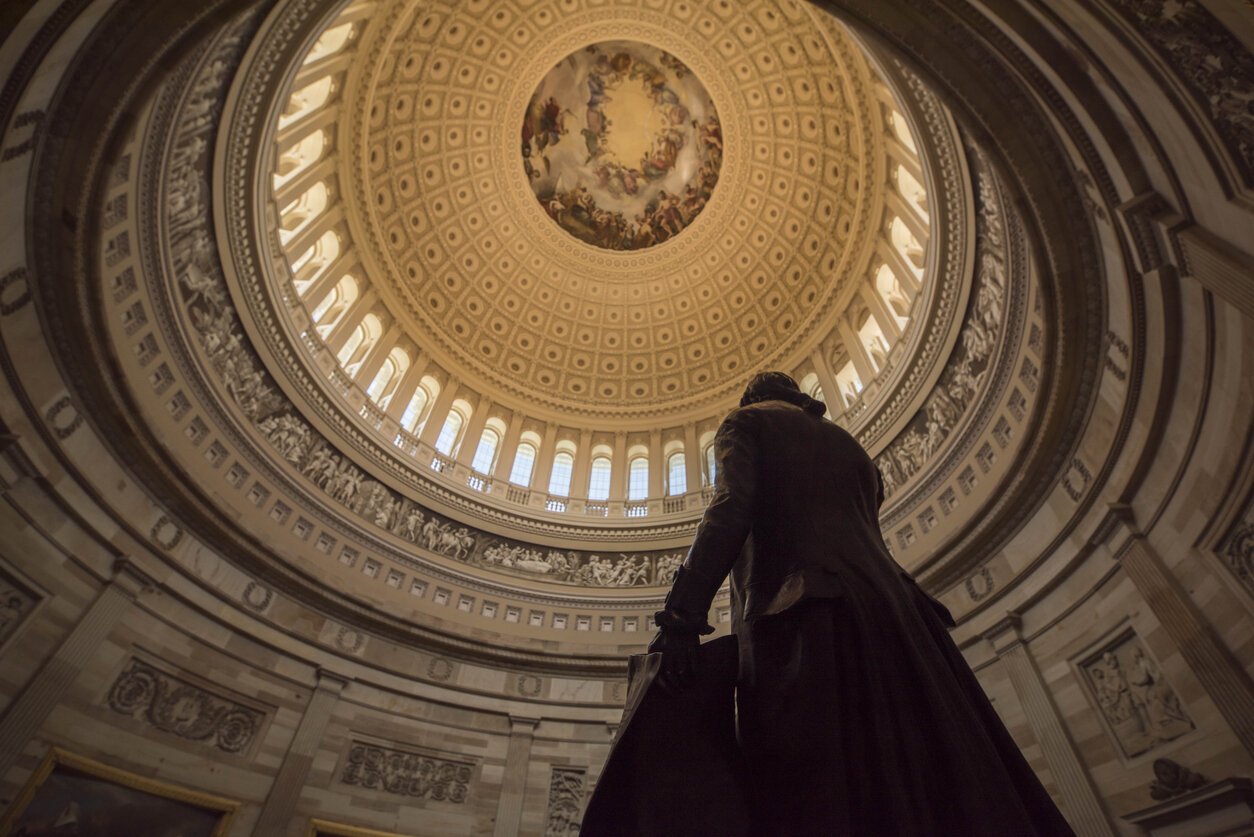
The 117th Congress was sworn in on Sunday, starting a new chapter in Congressional history. The 117th Congress is the most diverse in U.S. history, with a record number of women, racial minorities, and members of the LGBTQ community. This Congress also includes a record number of Republican women.

Bill to Stop Doxing of Government Workers Introduced in Senate
The Public Servant Protection Act is a bill designed to protect government workers, officials, and appointees from being targeted at their homes. Senator Tom Cotton (R-AR), along with Senate Majority Leader Mitch McConnell (R-KY) and five Republican colleagues, introduced the legislative proposal earlier this month.
2021 NDAA Passes Congress with Enough Support for Veto Override
The U.S. Senate passed the FY 2021 National Defense Authorization Act (NDAA), an all-encompassing piece of legislation that introduces provisions related to many agencies and federal employees, with an 84-13 majority. This margin means that even if President Trump vetoes the bill, as he has threatened, there is enough support in Congress to override the veto.

Congressional Leaders Agree to Vote on One-Week Stopgap Bill
Congressional leaders are trying to give their negotiators more time to reach an agreement on a COVID-19 relief package and the $1.4 trillion omnibus spending bill to which pandemic relief would be attached.

Congress Seeks Details from Agencies on Burrowing In
House Democrats want to know whether President Trump’s political appointees are being converted into career civil servants.

Talks on Omnibus Spending Bill Between Chambers of Congress Begin
In the House and the Senate, initial talks for an omnibus appropriations bill have begun. The goal of these initial talks is to agree on top-line spending levels that will be included. Congress has until December 11, 2020 to fund the government and both Speaker of the House Nancy Pelosi (D-CA) and Senate Majority Leader Mitch McConnell (R-KY) have stated that they do not want another continuing resolution and would rather have an appropriations package ready to go.
Senate Releases Spending Bills for Fiscal Year 2021
Senate appropriators released all 12 of their fiscal year 2021 spending bills on the morning of November 10, 2020. Lawmakers have until December 11, 2020 to secure government spending and avoid a federal shutdown. Both Senate Majority Leader Mitch McConnell (R-KY) and Speaker of the House Nancy Pelosi (D-CA) have called for a new omnibus spending bill, which would fund all government agencies in a single large package, rather than another continuing resolution that only funds the government temporarily at previous levels.
Avoidance of Government Shutdown Rests on Lame Duck Spending Deal
As lawmakers approach the December 11, 2020 stopgap funding deadline, Speaker of the House Nancy Pelosi (D-CA) and Secretary of the Treasury Steve Mnuchin remain stuck on several issues relating to COVID-19 and funding of the government. If Congress and the White House are unable to reach another stopgap funding deal by December 11, then a partial government shutdown could occur.