

Senate Committee Advances Cyber Innovation Legislation
The Senate Commerce Committee voted to unanimously advance a bill that would offer cash and non-cash prizes for cybersecurity innovations.

Legislators Introduce Bipartisan Bill to Expedite Hiring of Pandemic Recovery Watchdog
Senator Chuck Grassley (R-IA), Banking Committee Chairman Mike Crapo (R-ID), and Senators Maggie Hassan (D-NH), Joni Ernst (R-IA) and Cory Booker (D-NJ) have introduced legislation to boost oversight of trillions of dollars in taxpayer funded pandemic relief by helping the special watchdog quickly onboard oversight staff. The Special Inspector General for Pandemic Recovery (SIGPR) Expedited Hiring Authority Act allows the SIGPR to bypass the current government hiring process to allow the office to quickly ramp up oversight operations.

Legislation Introduced to Protect Annual Leave Benefits for Frontline Employees
Congresswoman Jennifer Wexton (D-VA) has introduced the Federal Frontline Worker Leave Protection Act to ensure that employees responding to the COVID-19 pandemic do not lose annual leave due to an inability to take time off. The legislation is currently co-sponsored by Representatives Don Beyer (D-VA), Stephen Lynch (D-MA), Eleanor Holmes Norton (D-DC), and Jamie Raskin (D-MD).

Rep. Wexton Introduces Legislation to Utilize Agency Collaboration to Combat Domestic Violence During COVID-19
Congresswoman Jennifer Wexton (D-VA) has introduced legislation to require the Department of Justice (DOJ) to work with the Department of Health and Human Services (HHS) to develop guidance and training for law enforcement to identify and combat domestic violence during the coronavirus pandemic.

Lawmakers Seek to Codify Interagency Cooperation on the Coronavirus
Lawmakers are seeking to codify into law cooperation between federal agencies to support the scientific community’s efforts to track, research, and prevent the spread of diseases like coronavirus. The Computing Opportunities to Vanquish Infectious Diseases Research Act of 2020 (COVID Research Act) authorizes a White House interagency working group and directs the group to develop a national strategy to address the disease outbreak, among other priorities.
Senate Passes Deal to Replenish Small Business Loan Program
The White House and Senate and House Leadership indicate that the groups have reached a deal to replenish the loan program for small businesses that has been depleted during the coronavirus response. The deal totals more than $480 billion for various funding needs for healthcare and loan programs and was passed in the Senate by voice vote today.

House Oversight Democrats Release Priority List for Feds During Coronavirus Response
Chairwoman of the House Committee on Oversight and Reform, Rep. Carolyn Maloney, and Chairman of the House Committee on Oversight and Reform Subcommittee on Government Operations, Rep. Gerry Connolly, wrote a letter to House and Senate leadership outlining the priority items needed for federal employees to further facilitate the coronavirus response.

Congress Looks to Modernization to Maintain Social Distancing
In a note to House member offices Monday, Speaker of the House Nancy Pelosi announced the introduction of electronic submission of floor documents in an effort to adhere to the Centers for Disease Control and Prevention (CDC) guidance on social distancing during the coronavirus pandemic. The House also received praise from several stakeholders regarding the chamber’s passage of the Moving Our Democracy and Congressional Operations Towards Modernization (MODCOM) Resolution.
House Members Introduce Stimulus Package with Federal Workforce Provisions
A group of House Democrats have introduced a stimulus package that includes key provisions for federal employees to protect against the coronavirus. It has come under scrutiny by some House Republicans for also including federal workforce provisions seen as irrelevant to the issues surrounding the pandemic.

Lawmakers Work with Agencies to Ensure Adequate Employee, Public Precautions Met
Lawmakers across the legislative branch have sent letters to the executive branch agencies in an attempt to gain more information and provide guidance on how the agencies should respond to the coronavirus pandemic.

House, Senate Committees Advance Budget Transparency Bills
Both the House and Senate government oversight committees have advanced legislation that would make information regarding federal government spending more transparent to the public. The legislation, entitled the Congressional Budget Justification Transparency Act of 2019, was introduced by Congressmen Mike Quigley (D-IL) in the House and Gary Peters (D-MI) in the Senate.

Coalition to Congress: Whistleblower Rights ‘Dysfunctional in the U.S.’
Last week, a coalition of civil society organizations covering the political gamut under the auspices of the Make It Safe Coalition sent a letter to House and Senate leaders on Capitol Hill highlighting challenges to whistleblower rights and protections in the United States.

Bipartisan Lawmakers Introduce First Federal Financial Management Reform Since 1990
Senators from various Finance, Budget, and Oversight Committees have come together to introduce legislation to reform how federal officials spend taxpayer funds. The Chief Financial Officers (CFO) Vision Act of 2020 will standardize CFO responsibilities, among other reforms. The legislation, lawmakers note, is in response to the 115th Congress’ passage of the Foundations for Evidence-Based Policymaking Act of 2018, which called upon agencies to use data to drive program reforms.
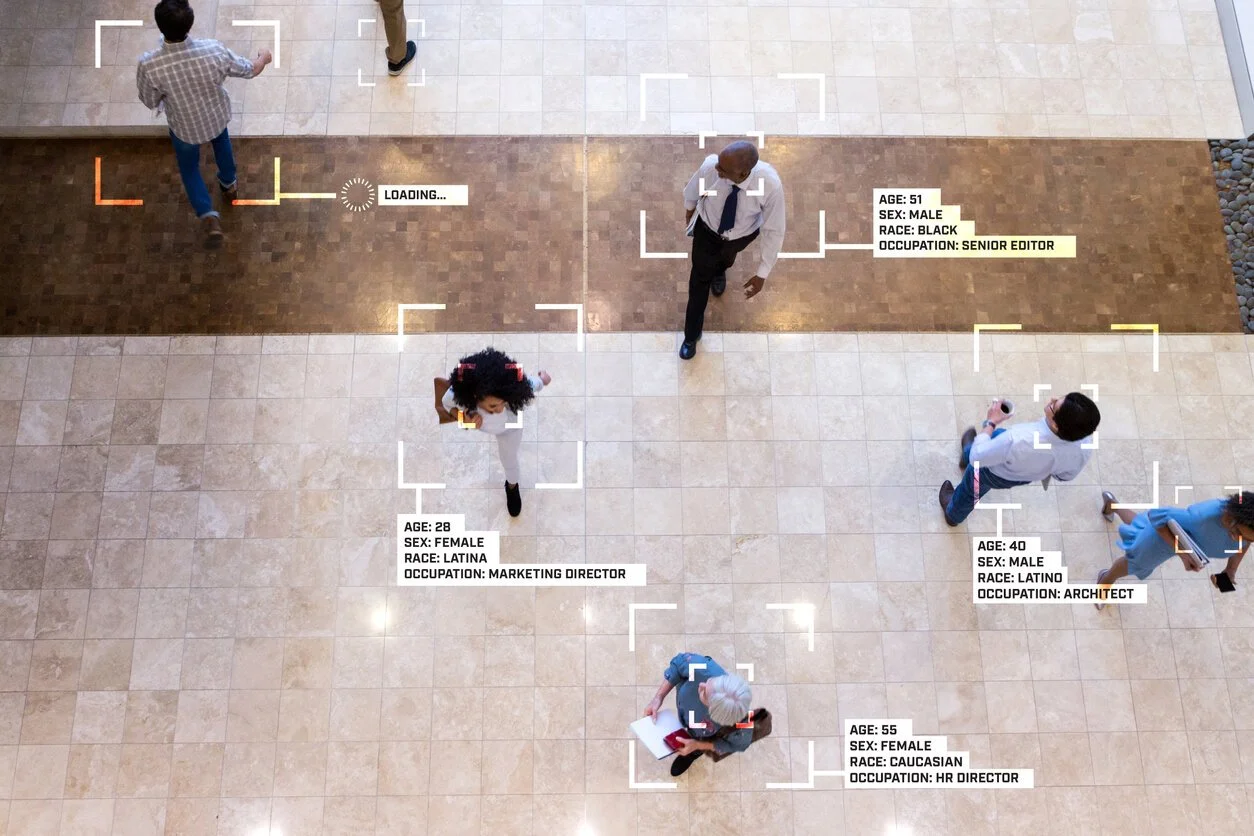
Senators Attempt to Halt Facial Recognition Use Pending Proper Regulation
Senators Cory Booker (D-NJ) and Jeff Merkley (D-OR) have introduced the Ethical Use of Facial Recognition Act to stop federal government use of facial recognition until comprehensive ethical guidelines can be created. The legislation provides exceptions for some federal law enforcement use and creates a commission to recommend uses for facial recognition in the future.

House Passes Legislation to Provide Statutory Authority for GSA Federal Risk and Authorization Management Program
The House has passed legislation by voice vote to codify the Federal Risk and Authorization Management Program (FedRAMP) within the General Services Administration (GSA) into law. The legislation also establishes a board to conduct security assessments into cloud computing services and to ensure cloud operators meet FedRAMP security guidelines.

House to Take Up Major Federal Labor Law Legislation
Representative Bobby Scott (D-VA) led legislation to expand union worker rights through House committee last month. This week, the entire House chamber is expected to move forward with the legislation entitled the Protecting the Right to Organize (PRO) Act of 2019 or HR 2474.

Senator Schumer Introduced ‘Technical Fix’ for Paid Parental Leave
In December, Congress passed and the president signed into law the National Defense Authorization Act (NDAA) for fiscal year 2020, including a provision granting federal employees 12 weeks of paid parental leave. Due to the construction of the provision, most federal employees were eligible for the new program, but at least two major agencies were not granted access. This month, Senate Minority Leader Chuck Schumer (D-NY) introduced legislation entitled the “Federal Employee Parental Leave Technical Correction Act” to rectify this error.

Senate Passes Measure to Boost Executive Pay at VA
The Competitive Pay for Leaders in Veterans Health Care Act, S. 3084, has been passed by unanimous consent in the Senate last week. The legislation makes employees in Senior Executive Service-equivalent positions hired under a special authority created by a 2010 law eligible for a higher salary, rather than capping them at the lowest level of the Executive Schedule.