
Social Security Administration to End Flexible Work Schedules
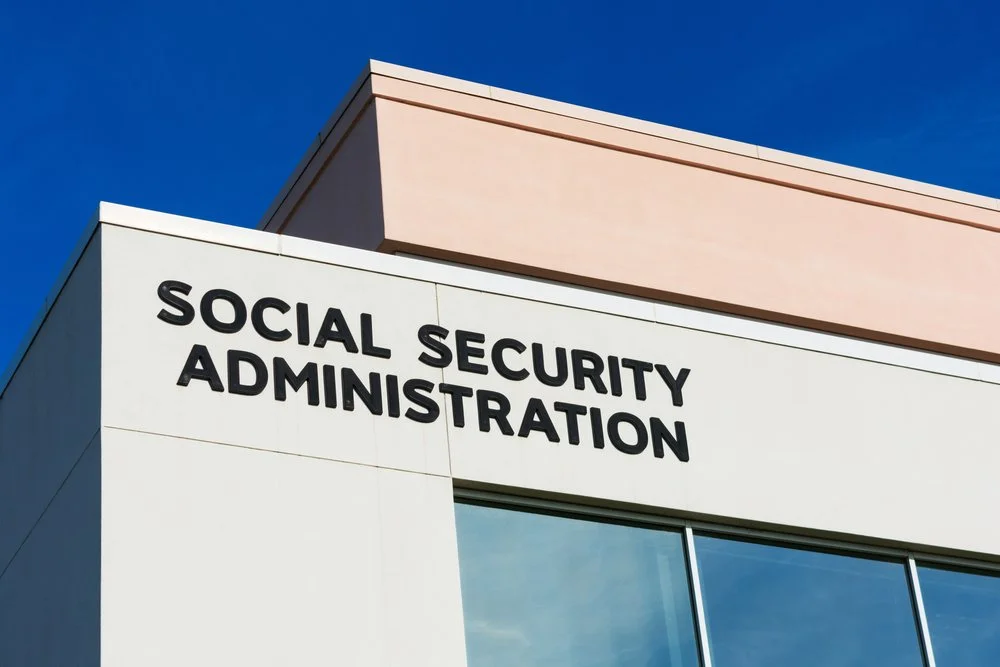
The Social Security Administration (SSA) is ending flexible work schedules months after it suspended advanced annual leave.
Starting November 16, 2026, alternative work schedules (AWS) will no longer be permitted for the SSA workforce. Under such policies, SSA employees work longer hours in exchange for an extra day off during certain periods, such as working 10-hour days four times a week or the 5/4/9 schedule, which allows employees to work nine hours a day for nine days and take the tenth day off.
SSA says that moving to a consistent five-day workweek “strengthens our ability to deliver the service the public expects,” including for employees who don’t work directly with the public.
“AWS, which allow employees to complete their work hours in fewer than five days, reduce staffing on the days employees are off,” wrote SSA Chief Human Capital Officer Florence Felix-Lawson. “The cumulative effect across the agency is significant and impacts our service to the public.”
The move caught federal employee unions and some SSA management off guard.
“Management was given zero notice, so we are scrambling,” an SSA manager told GovExec. “Many of us just approved people for new AWS schedules in the last few weeks.”
And the American Federation of Government Employees (AFGE) SSA Committee filed a national grievance, arguing that the move violated an agreement it struck in 2019 with the first Trump administration.
The union says SSA is painting a “false picture of an agency overwhelmed by employees with alternative schedules” and that the move will instead spur more workforce departures.
“This decision will harm public service by further depressing morale in an already overwhelmed workforce who have seen their rights and benefits disrespected by agency leadership again,” said AFGE.
The move to end AWS comes just weeks after the SSA and the Internal Revenue Service – both led by Frank Bisignano– suspended advanced leave approvals indefinitely. The agencies said it will improve customer service and address issues where employees took excessive amounts of advanced leave.