Slate of Bills Targeting Federal Workforce Issues Await Congress
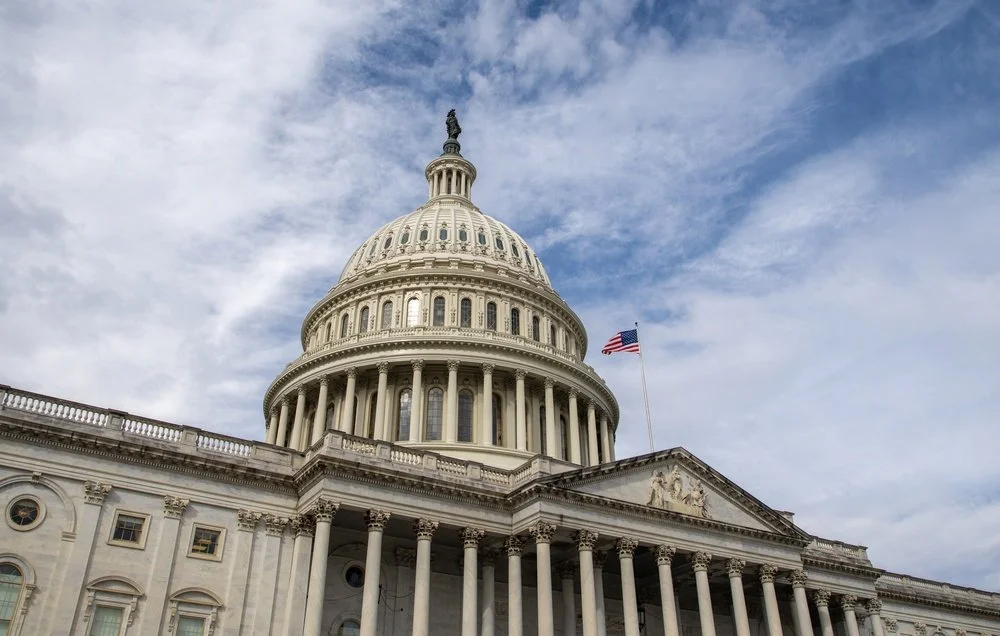
Congress is off on its August recess but when it comes back, a number of bills are awaiting that could have a major impact on federal workers.
The bills do everything from improving identity theft protection to expanding paid leave.
Paid Leave
Versions of The Comprehensive Paid Leave for Federal Employees Act (H.R. 9261) were introduced in both the House and Senate. The bills would provide up to 12 weeks of paid leave for federal employees for purposes that are covered by the Family and Medical Leave Act (FMLA).
Currently, leave taken under FMLA is unpaid, except for parental leave. The new bill would mean that leave for a wide range of purposes– including an employee’s serious health condition, taking care of an immediate family member, or assisting while a family member is on deployment— would be paid.
However, the Senate version removed a provision to allow employees to take paid leave to help a family member who has been the victim of domestic violence, abuse, or stalking.
The House and Senate versions have been referred to committees in their respective chambers.
Lifetime Identity Theft Protection
Another bill would provide lifetime identity theft protection for federal employees whose data was compromised in the 2015 Office of Personnel Management (OPM) data breach.
About 22 million people may have been affected by the breach. They were afforded ten years of identity theft protection, which is set to expire on September 30, 2026.
The legislation would also reimburse federal employees and contractors for software and tools used to reduce their personal information online.
The RECOVER PII Act (S.5217) was referred to relevant committees for review.
Air Quality in Federal Buildings
Another bill aims to ensure that the air quality inside federal buildings is at a healthy level.
The bipartisan Federal Facilities Air Quality Assessment Act (H.R. 9886) would require the Government Accountability Office (GAO) to conduct a comprehensive review of air quality across all federal facilities and government property.
It was introduced by lawmakers following a weekend of poor air quality in the Washington, DC area.
“Our bill would provide the comprehensive information needed to identify deficiencies in air quality and ventilation standards, guide necessary improvements, and help ensure our federal workforce can breathe clean, healthy air in the workplace.” said Rep. Don Beyer (D-VA), one of the sponsors.
Skills-Based Contracting
The Skills-Based Federal Contracting Act (H.R. 5235) unanimously advanced out of the Senate Homeland Security and Governmental Affairs Committee, after passing the full House earlier this year.
The bipartisan bill would block federal agencies from setting minimum education requirements in job solicitations for contractors, with limited exceptions.
“For too long, the federal government has put a diploma ahead of ability. It has shut out millions of qualified Americans before they ever got a fair shot. Our bill ends this,” said Rep. Nancy Mace (R-SC), one of the sponsors. Rep. Mace also called for the full Senate to pass the legislation.
STOP the SWAMP Act
And Republicans reintroduced the STOP the Swamp Act (S. 5228) in both the House and Senate.
The legislation would bar certain individuals who refuse to answer questions during congressional investigations or commit perjury from federal employment.