
Report: VA Workforce Declines for First Time on Yearly Basis, VA Pushes Back on Care Concerns
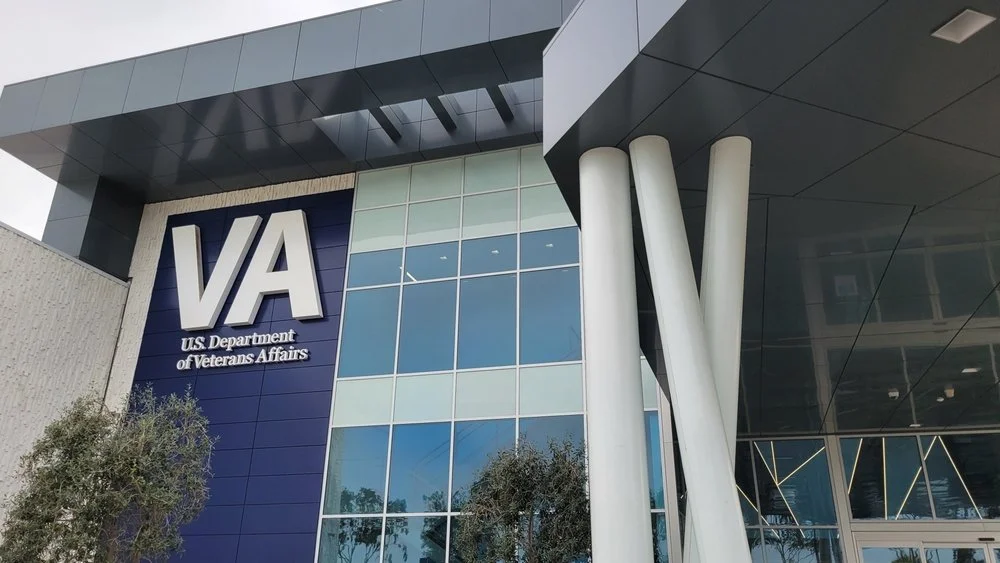
A new report from Democrats on the Senate Veterans Affairs Committee finds that the Department of Veterans Affairs (VA) experienced its first-ever annual net decline in staffing, raising alarms about the impact on veterans’ care.
According to the report, the VA lost approximately 40,000 employees during fiscal year 2025 while hiring only 10,000 new workers, resulting in a net loss of 30,000 employees across the agency.
Sen. Richard Blumenthal (D-CT), the committee’s ranking member, warned that the staffing losses are undermining care.
“Dedicated professionals with decades of expertise are leaving, and recruitment is faltering amid toxic working conditions and draconian cuts,” said Senator Blumenthal. “These policies are having a damaging and dangerous impact on the quality and timeliness of care — one that will be felt for years.”
Decline Hits Frontline Workers
Nearly 88 percent of departing employees came from the Veterans Health Administration (VHA), including approximately 3,000 registered nurses and 1,000 physicians. Also leaving are hundreds of mental health employees and schedulers.
VA spokesperson Peter Kasperowicz told Business Insider the reduction was driven by voluntary early retirements and deferred resignations, not cuts or toxic working conditions.
The report also accused VA of cutting back research, increasing wait times for x-rays and other services, and leaving veterans with long wait times. The report said wait times for mental health appointments now average about 35 days.
On those points too, Kasperowicz disagreed, saying through fiscal 25, wait times for mental health appointments were under six days for established patients and 19 days for new patients.
This comes as VA has lifted its partial hiring freeze. However, each regional office must still operate within specific staffing caps. Any changes to those caps will require approval by the VA Strategic Hiring Committee.
New OIG Warning Raises Additional Concerns
Meanwhile, among all the staffing concerns, a new report warns that the use of artificial intelligence (AI) in clinical settings is posing a “potential patient safety risk” at the VHA.
The preliminary report and advisory memo from the VA Office of Inspector General (OIG), notes that “VHA does not have a formal mechanism to identify, track, or resolve risks associated with generative AI.”
While the OIG review is continuing, the OIG says it’s releasing the partial report so “VHA leaders are aware of this risk to patient safety.”
You can read more in FEDagent.