
President Trump Wants Federal Offices Located “Where the People Are”
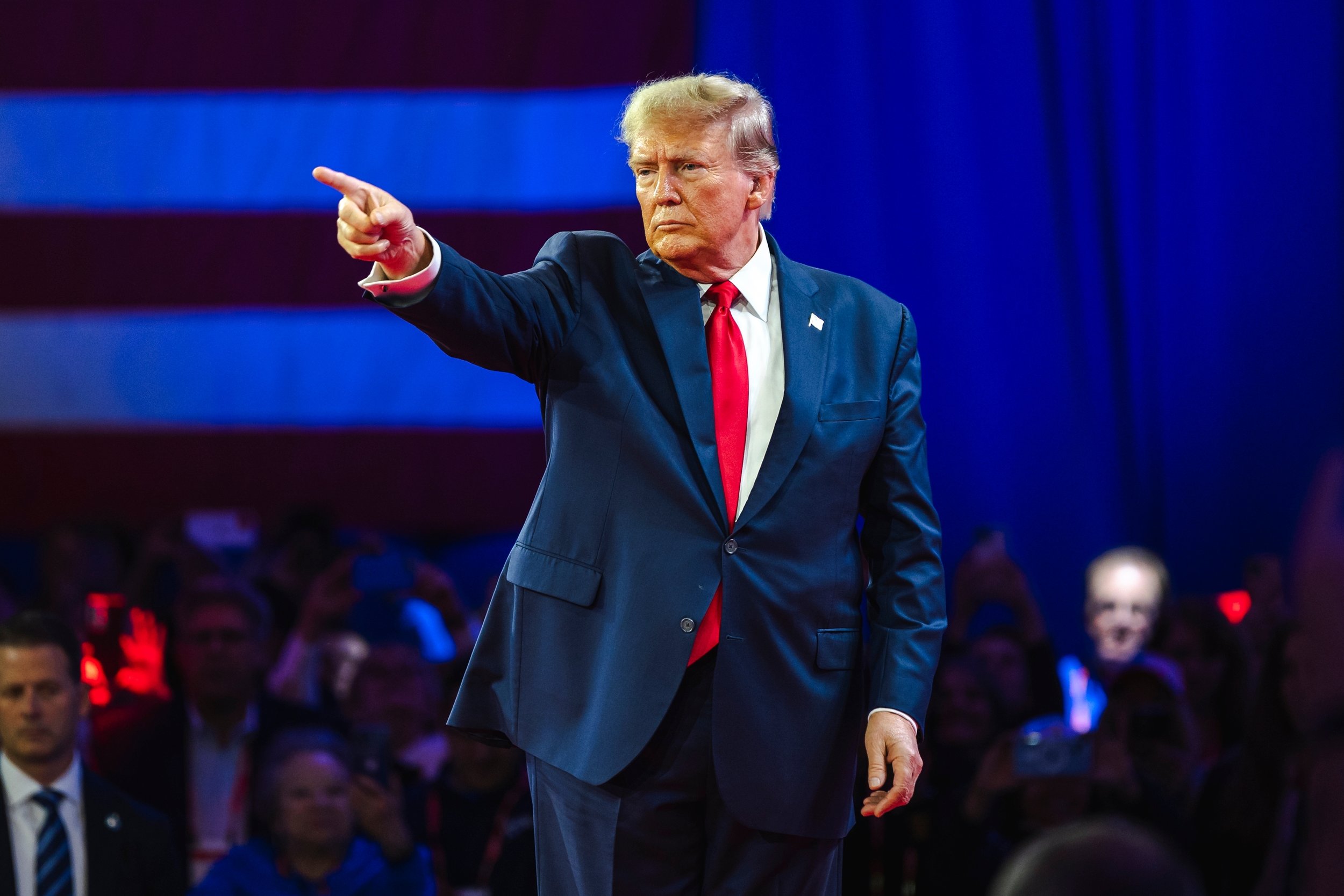
Amid a broader push to cut federal government office space and unload underutilized buildings, President Trump angled to relocate federal offices away from inner cities, saying the federal offices must be “where the people are.”
In an executive order titled “Restoring Common Sense to Federal Office Space Management” the president revoked two prior orders from Presidents Carter and Clinton that called for the federal government to prioritize office space in urban areas and historic districts.
The administration said the orders prevented agencies from moving to lower-cost facilities and failed to “adequately prioritize efficient and effective government service.”
And it said that by revoking the orders it will free “agencies to select cost-effective facilities and focus on successfully carrying out their missions for American taxpayers.”
Public Buildings Reform Board member Dan Mathews, who served as Public Buildings Service commissioner in the first Trump administration, said the order makes sense.
“Those other executive orders were more about socioeconomic goals as opposed to what’s the most effective way to house federal work,” Mathews told Federal News Network. “I do think it will have the effect of creating some more options as to how to be the most cost-effective.”
GSA Sets Occupancy Standard
Meanwhile the General Services Administration (GSA) set an 80 percent occupancy standard for all federal buildings.
If the target is not met, the building could be sold, rented, or made available to other agencies.
GSA admitted that one challenge is measuring occupancy.
“We literally don’t know how many people are in our buildings,” said GSA Public Buildings Service Commissioner Michael Peters. “We kind of have an idea of how many people are in this building, which is good. But we should know it for every one of the facilities that we own or lease, because that’s a fundamental metric.”
GSA also launched a tool called Space Match that allows federal agencies to find available office space that suits their needs.
Elon Musk’s GSA Influence
The backdrop is the push to better utilize and unload unused federal real estate, with the Department of Government Efficiency (DOGE) wielding influence on such matters.
DOGE head Elon Musk installed several top lieutenants at GSA, including Acting Administrator Stephen Ehikian, who’s wife worked for Musk-owned X. Another close Musk advisor, Nicole Hollander, is leading the drive to unload much of the federal real estate.
Last month, GSA released a list of hundreds of federal properties for sale, only to pull back after criticism over some of the properties on the chopping block, including the Department of Justice building.