
OPM Proposes Taking Over Key Federal Employee Appeals Cutting MSPB Out of Process
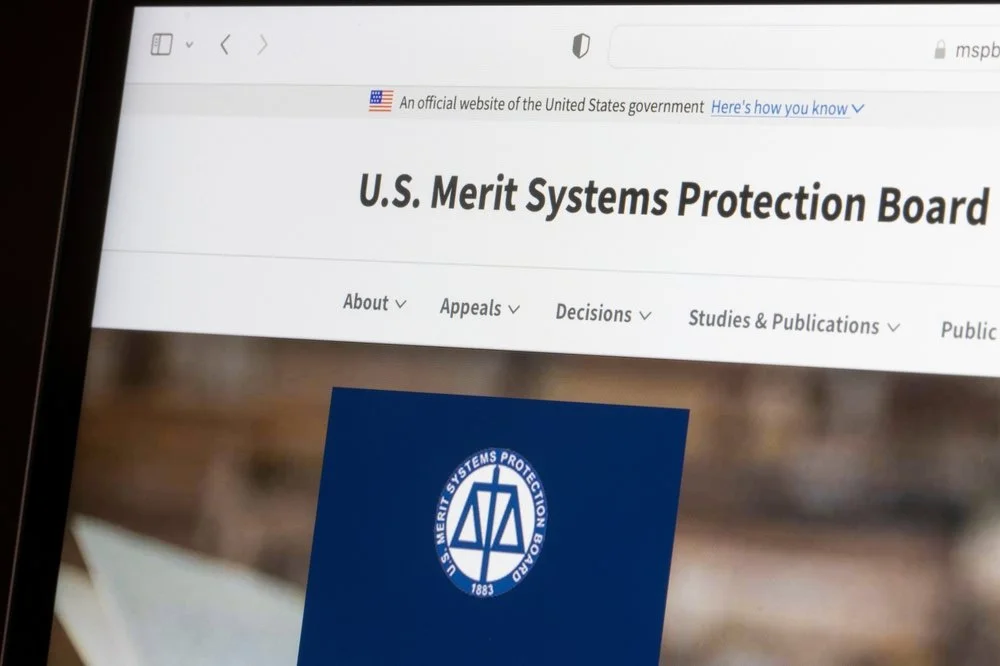
The Office of Personnel Management (OPM) issued new regulatory proposals that would give it more power over the appeals process for federal employees and curb the power of the Merit Systems Protection Board (MSPB).
In one proposed rule published in the Federal Register, OPM would take over adjudication of suitability appeals. Suitability standards govern whether an individual’s character or conduct is compatible with federal service. This follows an executive order from President Trump instructing OPM to take over suitability appeals.
“OPM believes that removing suitability appeals from MSPB will result in faster resolution for individuals and agencies,” stated the proposed rule. OPM noted that in FY 2022 through 2024 the average case processing time for initial appeals at MSPB was 109 days.
Under the proposed new process, OPM would handle the appeals on suitability actions through a new OPM appeals unit. The review would be based on the written record with the possibility of a hearing if the facts are in dispute. OPM’s decision would be final with no further appeals to the MSPB.
Comments must be received on or before March 9, 2026.
RIF Appeals
OPM also proposed taking over appeals that derive from an agency’s reduction in force (RIF). The in the proposal OPM said the current appeals process involving MSPB is “unnecessarily lengthy and expensive.”
“OPM expects this change will promote greater efficiency and reduce costs to agencies in effectuating RIF actions, which may be necessary in a variety of circumstances, such as to eliminate duplicative or unnecessary functions or align agency workforces with new technology, changing mission needs, or budgetary constraints,” stated the proposed rule.
If finalized, OPM’s office of Merit System Accountability and Compliance (MSAC) would be given the authority to hear and decide on employee RIF appeals.
OPM said such a move is consistent with congressional intent and that it holds authority to hear such appeals since RIFs are not adverse actions and are aimed at positions not the individual.
Comments are due on or before March 12, 2026.
Nevertheless, critics are speaking against both proposals.
“We are going from a system of independent checks and independent decisions and now centralizing it in OPM. It’s blurring the lines between the agency that’s making policy and then deciding whether or not other agencies are following its policy,” said Partnership for Public Service Vice President Jenny Mattingley. “It begs the question: How fair will that be for the employees?”