OMB Funding Website Restored after Court Rulings
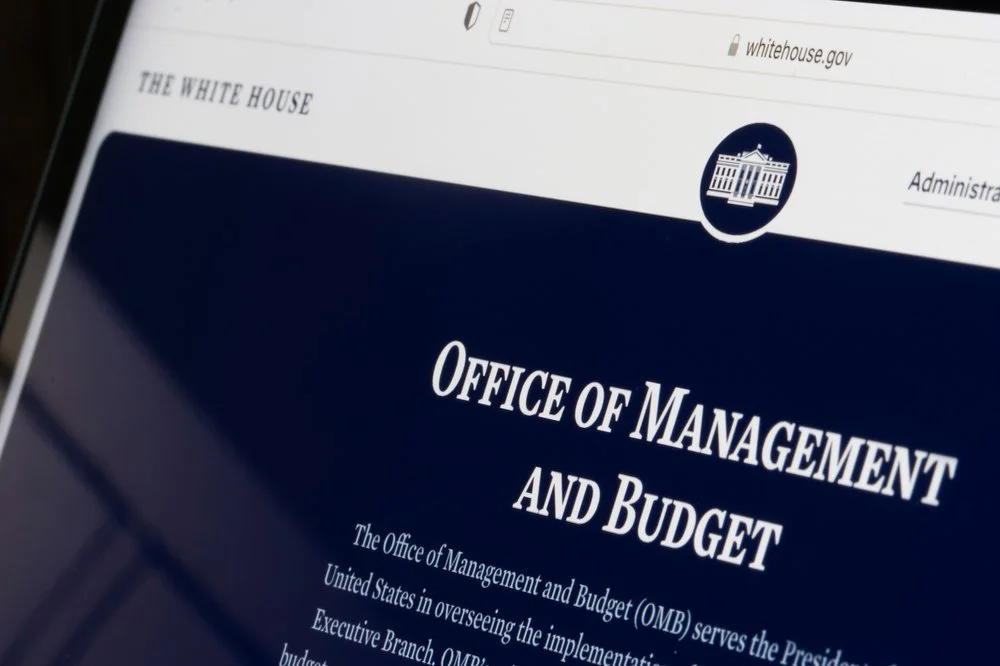
A public website that tracks how the federal government disburses money is back online, after a series of federal court decisions.
The Office of Management and Budget (OMB) took the website tracking apportionments, or the amount and timing of funds released to federal agencies, offline in the spring. The move was challenged in court by good government groups. In August, the federal appeals court upheld a lower court’s decision that removing the website was a violation of federal law. Now the website is back with additional information being added.
The Trump Administration had argued that the 2022 law mandating disclosure of the amounts and timings of funds released to federal agencies disclosed “sensitive, predecisional, and deliberative information,” could harm national security, and could “have a chilling effect on the deliberations within the Executive Branch.”
The federal courts disagreed.
“There is no dispute that the government has a statutory duty to disclose apportionment data. That much is apparent from the face of the statutes,” wrote D.C. Circuit Court of Appeals Judge Karen Henderson in a statement accompanying the three-judge panel’s decision.
Groups like Protect Democracy and Citizens for Responsibility and Ethics in Washington (CREW) argued it was a way for the Trump Administration to withhold congressionally appropriated funds from projects it disagreed with without the public knowing, otherwise known as impoundment.
“Congress created the apportionment process to help OMB make agencies stick to their budgets – not so OMB could undermine the spending laws passed by Congress. Access to apportionments means we can finally see where OMB may have abused this tool to unlawfully delay spending – potentially in preparation to unlawfully cut funds through a ‘pocket rescission,’” said Protect Democracy Counsel Cerin Lingrensavage.
“Litmus Test”
According to the Washington Post, documents made public under the court order, show that the Trump Administration is already imposing litmus tests on releasing money, “demanding plans from agencies to show they are following guidance Trump has laid out in executive actions, such as avoiding spending on diversity programs” and blocking the release of funding if it conflicts with the president’s executive orders.
And this comes as Congress prepares to return with the clock ticking to avoid a government shutdown at the end of September.
With just a few full-year fiscal year (FY) 2026 appropriations bills passed, legislators are starting at another stopgap to keep the government open. But there are differences between Republicans on whether it should be a short-term or long-term extension.