
New Class of Political Appointees Created by President Trump
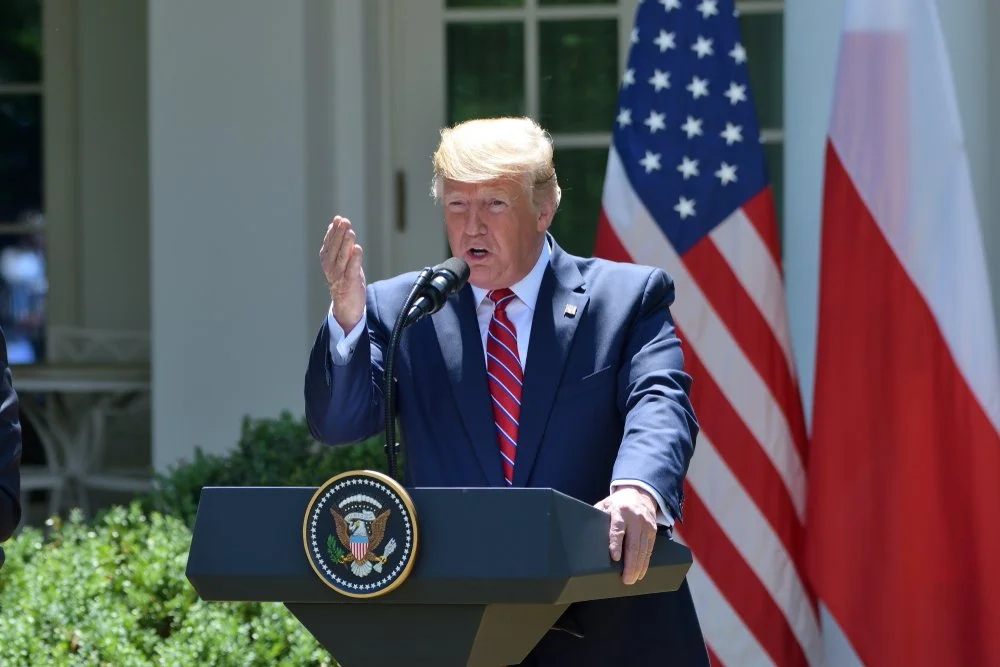
President Trump signed an executive order creating a new class of non-career federal employees in the excepted service, allowing the president to hire additional political appointees “to help faithfully implement the President’s policy agenda.”
The order creates a new employment classification known as Schedule G.
It will be used to hire political appointees who do not require Senate confirmation and will serve in policy-making or policy-advocating roles. Schedule G will not apply to career positions or career employees and incumbents will be expected to leave when the president who appointed them leaves office.
While presidents can tap an uncapped number to serve in Schedule C positions, the White House says those positions serve in narrower confidential or policy-determining roles. The White House says that the creation of Schedule G will therefore fill a gap in federal appointments and will “enhance government efficiency and accountability and improve services provided to taxpayers by increasing the horsepower for agency implementation of Administration policy.”
The order tells the Office of Personnel Management (OPM) to adopt any regulations it deems necessary to implement Schedule G.
Critics Question New Employee Category
Critics are speaking out, including the Senior Executives Association (SEA), which points out this is an example of the president expanding executive power.
“This new employment authority undermines merit-based hiring to select qualified professionals to perform these critical jobs, replacing this system that has served Presidents of both parties over many decades with a system that will have the effect of rewarding political loyalists – what is often referred to as a ‘spoils system,’” said SEA President Marcus Hill. “Inserting more political appointees into a federal government will not address critical needs to provide important services to the American People effectively and efficiently.”
Meanwhile, others question whether Schedule G is needed, given the existence of Schedule C and the new Schedule P/C.
“In my opinion, most of the noncareer positions that could be permissibly classified as ‘policy-advocating’ or ‘policy-making’ would fall within Schedule C anyway,” said University of Minnesota Law School Associate Professor Nick Bednar to FedScoop. “Therefore, Schedule G feels redundant with the existing excepted service schedules except for the specific words being used.”