House Panel Advances Sweeping Anti-Fraud Package Targeting Federal Payments; Workforce Training
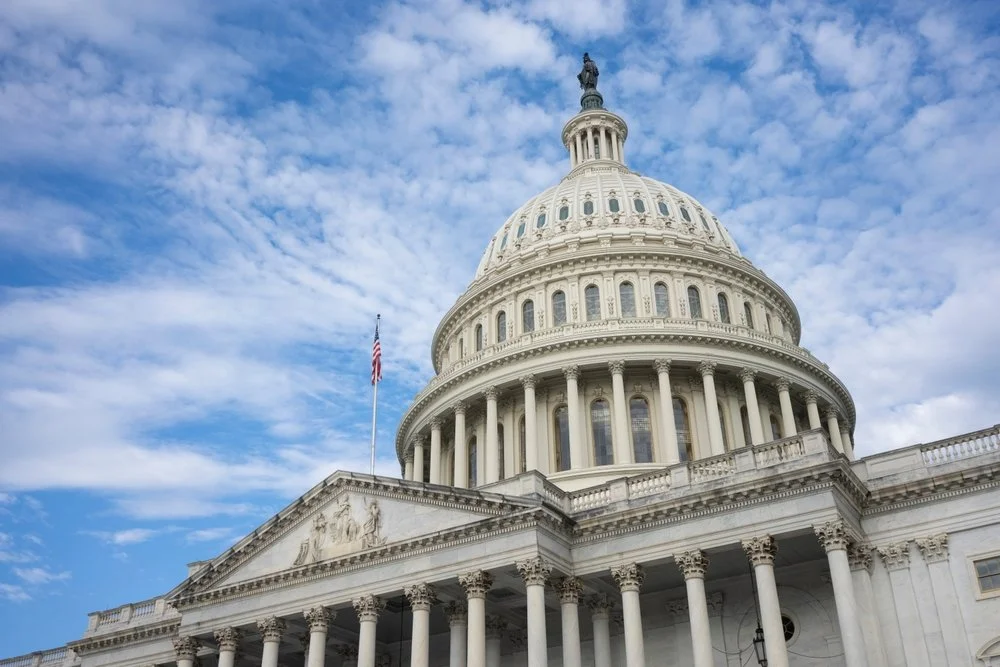
The House Oversight and Government Reform Committee advanced nine bills designed to crack down on fraud in the federal government, including one that will implement anti-fraud training standards throughout the federal workforce.
“These sweeping legislative reforms will stop fraudulent payments before they go out the door and ensure critical taxpayer-funded programs work as intended,” said Chairman James Comer (R-KY).
The advancement comes as the Government Accountability Office (GAO) estimates that anywhere from $233 billion to $521 billion is lost annually by the federal government due to fraud.
Federal Fraud Prevention Workforce Training Act
The Federal Fraud Prevention Workforce Training Act (H.R. 8428) passed unanimously in committee.
It requires OPM to establish a governmentwide training program to ensure that the federal workforce can identify fraud risks, implement anti-fraud best practices, and utilize Treasury Department tools such as the Do Not Pay system. The training program will be made available to state and local governments that administer federally funded programs.
“We are ensuring employees have the tools and resources they need to identify fraud,” said co-sponsor Rep. Glenn Grothman (R-WI).
Eye on Fraudulent Payments
Also advancing is a bill that requires the Treasury Department to verify payment and payee information with agencies before issuing payments.
The Pre-Payment Fraud Prevention and Treasury Data Access Act (H.R. 8463) advanced by a vote of 35-1. Chairman Comer said the bill will increase use of the Treasury's Do Not Pay system, which is currently used by only four percent of eligible programs.
Rep. James Walkinshaw (D-VA) noted the bill would “help prevent improper payments from making it out the door in the first place.”
Meanwhile, the Stopping Fraudulent Payments Act (H.R. 8464) advanced by a vote of 23-17. It would prevent federal agencies from requesting payments when there is an elevated risk of fraud, or the payment is likely to be improper.
Democrats largely opposed this bill, saying it uses "vague criteria that could be used to stop many legitimate payments.”
Others passing unanimously include the Zeroing Out Monetary Benefits Improperly Expended (ZOMBIE) Act (H.R. 8467) and the Timely and Accurate Benefits Act of 2025 (H.R. 1755).
Stepping Up Accountability
Other legislation would ensure more accountability and oversight.
The Fraud Prevention and Accountability Act of 2025 (H.R. 8312) passed by a 23-17 vote. It would establish a permanent inspector general for fraud, accountability and recovery at the Treasury Department. It would also be the home for data analytics tools created by the Pandemic Recovery Accountability Committee (PRAC).
The Taxpayer Resources Used in Emergencies (TRUE) Accountability Act (H.R. 8466) requires the Office of Management and Budget (OMB) to issue guidance on preventing fraudulent payments during an emergency.
Others approved are the Government Audit and Accountability of Federally Funded State-Administered Programs Act of 2025 (H.R. 8107) and the Taxpayer Funds Oversight and Accountability Act of 2025 (H.R. 8340).
That bill would clarify the role of agency Chief Financial Officers (CFOs), making them responsible for financial reporting, financial performance, and internal controls. The legislation authorizes the deputy CFO to serve as acting CFO in the event there is no permanent CFO.
All of these bills now head to the House floor for full consideration.