HHS Shrinks Top Performance Awards, Begins First Wave of Schedule P/C Reclassifications
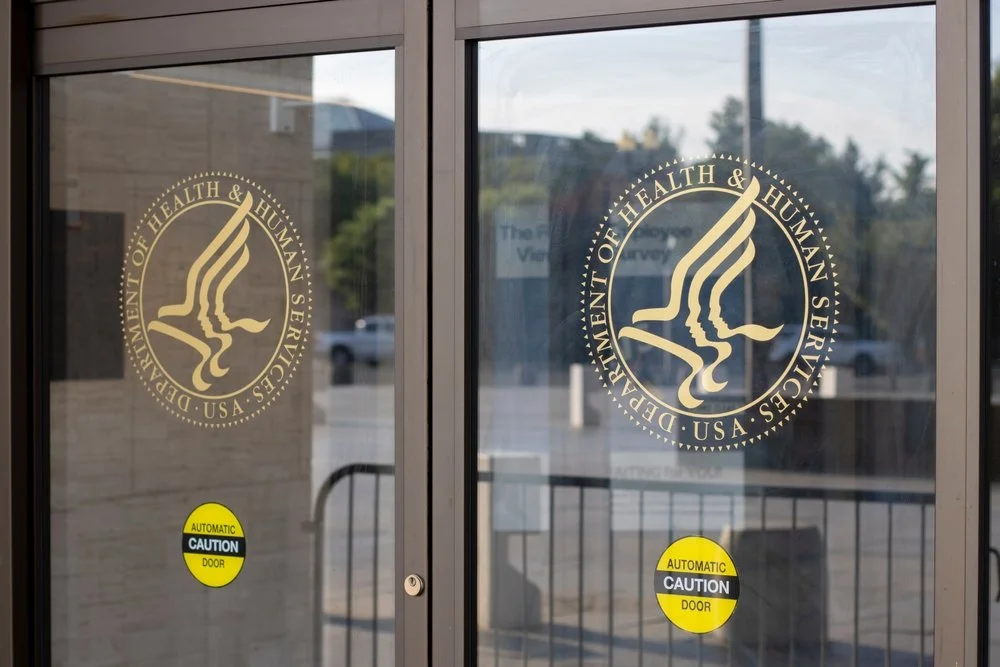
The Department of Health and Human Services (HHS) is scaling back performance bonuses for some employees while also beginning preparations to convert certain positions into the new Schedule Policy/Career category.
On bonuses, HHS is scaling back performance bonuses and will focus more of the bonus pool on “special act” awards. The special act awards will in some cases reward employees who contribute to the Trump administration’s goal of improving government efficiency and identifying fraud, waste, or abuse.
According to Federal News Network, the awards budget for the Centers for Disease Control and Prevention (CDC) and its Agency for Toxic Substances and Disease Registry (ATSDR) remains the same, but the performance awards pool is capped at 40 percent of the awards budget, with incentive awards making up 60 percent. Previously, 80 percent of the awards pool was used for performance awards.
HHS Press Secretary Emily Hilliard says the move “is intended to create a more flexible and transparent recognition system while continuing to reward strong performance across the workforce.”
An internal HHS email acknowledged that top-performing employees would see the largest reductions under the new structure.
For example, in March 2026, CDC said employees rated “outstanding” would receive a bonus of four percent of basic pay. With the changes, that number will decline to 2.58 percent of basic pay, about one-third less.
Schedule Policy/Career Conversions
Meanwhile, HHS started the process of converting some of its employees into the new Schedule Policy/Career category.
HHS said in an email that the initial conversations are “expected to apply to a relatively modest number of GS-15 positions — on the order of hundreds, not thousands — with additional tranches to follow as implementation progresses.”
The conversion will not take full effect until President Trump issues an executive order.
Positions converted into Schedule Policy/Career will have reduced notice and appeal protections compared to most competitive service employees.
“This will strengthen accountability for positions with significant policy-influencing responsibilities and applies to a relatively modest number of positions,” the official said in a statement.
Layoffs
HHS also sent out reduction in force (RIF) notices to dozens of employees who were not included in initial reductions in April 2025.
About 78 employees are affected, including 43 in the National Institutes of Health (NIH), 6 in the CDC, and 14 in the Office of the Secretary.
An HHS spokesperson said in a statement that “this action reflects the finalization of previously announced RIFs from last year.”
A CDC employee told GovExec that the affected workers were part of teams that were eliminated in the 2025 layoffs but were spared for uncertain reasons.
Meanwhile, an NIH employee posted a video suggesting some affected workers had previously expressed interest in retirement incentives and were initially exempted from layoffs.
“They’ve sort of been hanging out, waiting, knowing this was coming for months. And Friday, it finally happened,” said NIH employee Jenna Norton, who was speaking in her personal capacity.