
GSA Reports Massive Jump in AI Use as It Touts 900,000 Hours in Savings
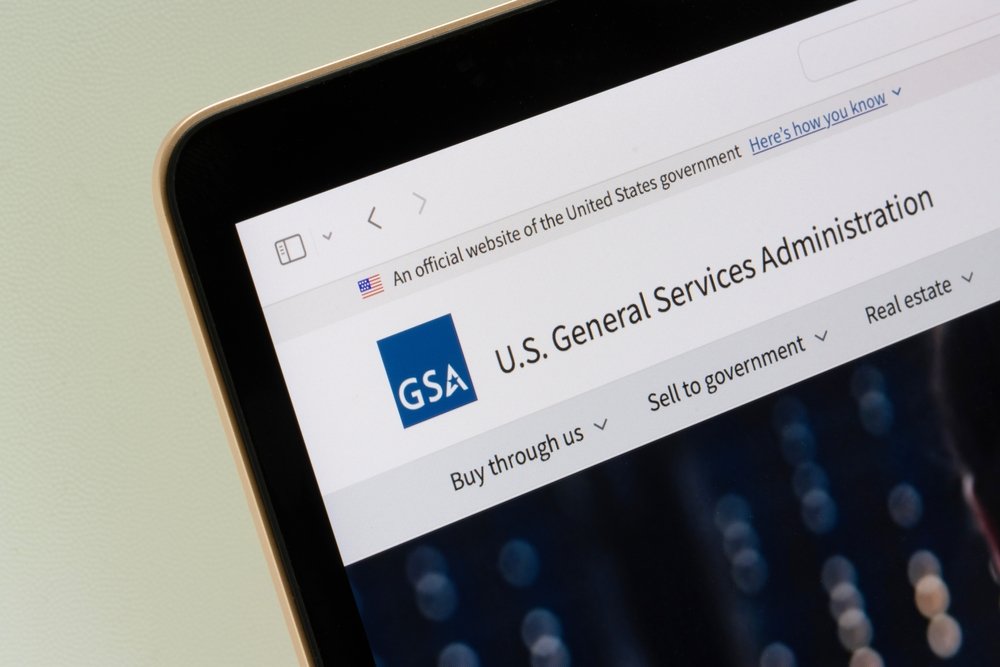
The General Services Administration (GSA) says the use of artificial intelligence (AI) is saving almost one million working hours for the agency.
GSA Deputy Administrator Michael Lynch says 70 percent of the agency’s workforce is now regularly using AI – a whopping increase from the start of the Trump administration when just 15 percent of GSA employees were regularly using AI.
Deputy Administrator Lynch told the Government Service Delivery conference that AI is saving GSA time on two fronts. He says the use of AI itself has freed up about 400,000 work hours through automation. He notes the agency documented another 500,00 hours from employees who “stepped up” and reported that certain processes could either be optimized or eliminated with AI usage.
USAi Platform Expansion
GSA also says that 25 agencies are currently using its USAi evaluation platform with plans to onboard 16 additional federal agencies by the end of the year. That platform helps agencies test, evaluate, and deploy AI tools in a secure setting.
“People need a safe, secure sandbox to try out these projects, and again, you’re never going to get it to scale if you can’t effectively determine safety and get a look at it as a tool to put in place,” said Deputy Administrator Lynch.
While the platform is currently free, GSA is planning to transition it into a fee-based model starting in fiscal year (FY) 2027.
OPM’s Tech Hiring Actions
Meanwhile, the Office of Personnel Management (OPM) noted cross-government hiring actions to staff up on technical workers who can help build out AI infrastructure across the federal government.
In a memo, OPM Director Scott Kupor says the agency created a pool of more than 3,500 qualified candidates, including candidates from the Tech Force.
Positions are in IT, project management, contracting, finance, and HR. The candidates have already been vetted as part of the cross-government hiring efforts and can be hired more quickly than the traditional path.
Director Kupor said agencies must act now.
“Agencies should not wait for a new recruitment cycle when a matching crossgovernment pool already exists,” noted Director Kupor. “Timely communication and selection helps ensure these qualified candidates remain interested in Federal employment.”