
GAO: Hundreds of Billions in Savings Still Sitting on the Table
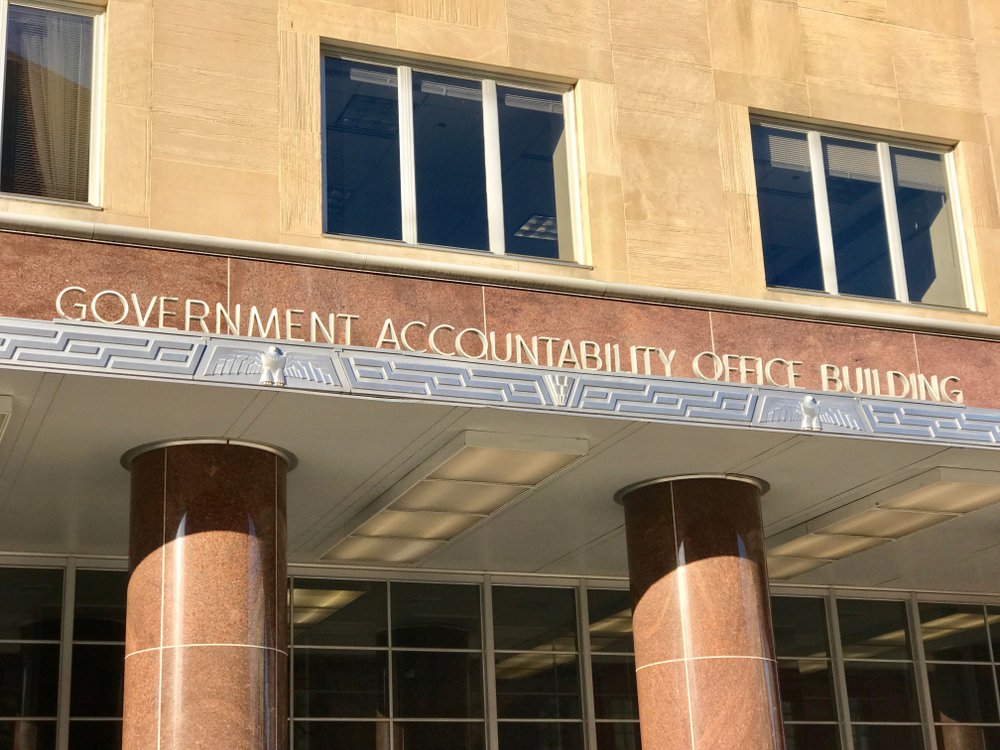
The federal government may be leaving hundreds of billions of dollars in potential savings on the table by failing to act on years of recommendations from the Government Accountability Office (GAO).
That’s the takeaway of new GAO reports, which said Congress and federal agencies could save between $132 billion and $251 billion in future costs if they implement long-standing reforms aimed at reducing duplication, fragmentation, and inefficiency across government programs.
For example, GAO’s annual Duplication and Cost Savings Report found that hundreds of recommendations issued over the past 16 years remain unresolved.
According to GAO, 610 recommendations from prior Duplication reports are still open, including 97 new recommendations issued this year.
Among the new areas highlighted:
The Departments of Veterans Affairs and Defense should better coordinate health care resources to improve access to care for patients.
The FBI should strengthen coordination with other federal agencies on a governmentwide strategy to combat consumer scams.
The Departments of Education and Labor should improve coordination on workforce development programs to reduce overlap and improve service delivery.
The agency estimates roughly $100 billion in additional savings could be achieved if the 610 recommendations are addressed.
Action Urged in Congress
In a separate report aimed at Congress, GAO said lawmakers still have 277 open matters for congressional consideration that could improve program effectiveness or reduce costs if enacted.
Since 2000, GAO has made more than 1,150 recommendations directed to Congress. As of April 2026, nearly one-quarter remain unresolved.
One of the largest potential savings opportunities involves Medicare payment policy. GAO said Congress could save an estimated $157 billion over 10 years by requiring Medicare to equalize payment rates for certain services across different health care settings.
GAO notes that “a 10-percentage point increase in the share of recommendations implemented annually could increase financial benefits by billions of dollars in a typical year.”