
Funding, Nominees Fight Awaits Congress When Recess is Over
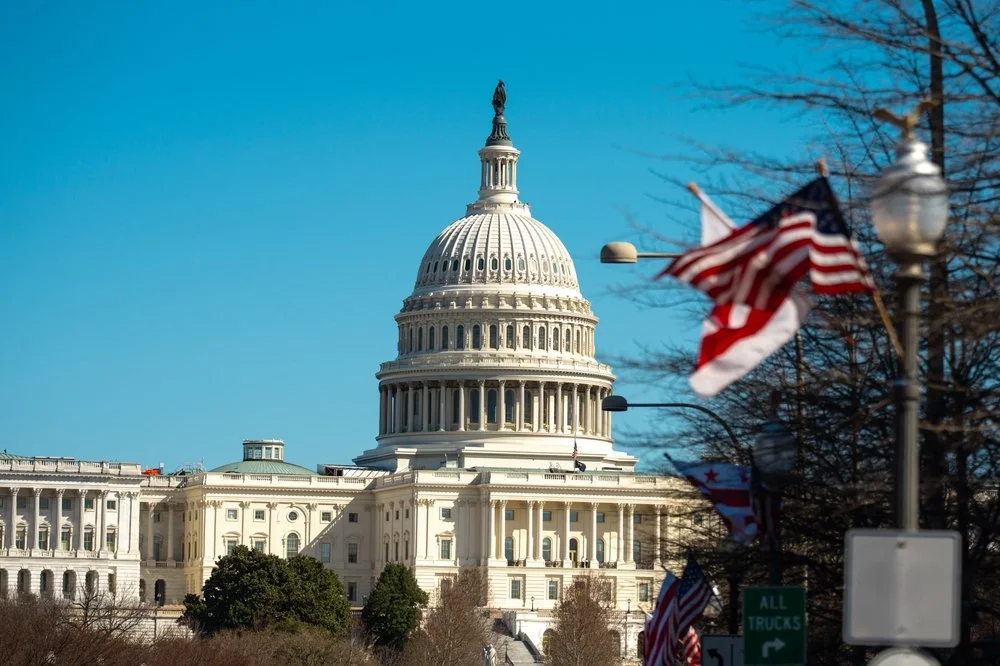
Congress is out of town for its August recess, but when lawmakers return in September, there will be a series of tough issues waiting for them, including battles over funding the federal government and confirming President Trump's nominees.
First to the funding.
Government funding will expire September 30. Given the four-week time frame, lawmakers say they expect a stopgap continuing resolution to be necessary to avoid a shutdown.
"I don't know that we’re there yet, but if that’s the option available, we certainly can’t afford any type of government shutdown – especially under full control by Republicans," said Representative Scott Fitzgerald (R-WI).
This comes as the Senate passed three of the less controversial fiscal year (FY) 2026 appropriations bills on a bipartisan basis. Members voted to approve the Agriculture-FDA and Military-Construction VA bills by a vote of 87-9. They approved the Legislative Branch bill by a vote of 81-15.
Those bills amount to more than $185 billion, or just over ten percent of overall discretionary spending for FY 2026.
A fourth bill funding the Department of Justice, the Department of Commerce, and other agencies, was pulled from Senate consideration over a dispute over the future location of the FBI headquarters.
Meanwhile, over in the House, House Republicans have yet to negotiate with Democrats on a bipartisan funding compromise. And fiscally conservative Republicans in the Freedom Caucus are once again deemed as unlikely to go along with a funding package, unless significant cuts are made.
“If we have to swallow a House-only radical Republican bill, that’s going to be a problem,” said Senator Peter Welch (D-VT).
The House also started its recess early to avoid a vote on whether to release files related to the Jeffrey Epstein case. The issue also derailed the House’s attempt to advance its version of the DOJ funding bill.
Fight over Nominees
Also on the docket for the fall is a renewed fight over confirming President Trump’s nominees.
Before recess, the Senate was unable to reach a deal on passing a tranche of nominees in exchange for the restoration of billions in funding for the National Institutes of Health (NIH) and foreign aid.
The president himself put the kibosh on such a deal.
“This demand is egregious and unprecedented, and would be embarrassing to the Republican Party if it were accepted,” the president wrote on Truth Social.
When returning, the Senate is expected to “go nuclear” to get the nominees confirmed. That may include cutting time between cloture and confirmation votes.
The president initially had pushed Congress to recess and allow for recess appointments, but this did not come to pass and the president has since encouraged Republicans to use recess to “go home and explain to your constituents what bad people the Democrats are, and what a great job the Republicans are doing, and have done, for our Country.”