
FEMA: Tech Leaders Fired Over Security Lapses, Legislative Reform Advances
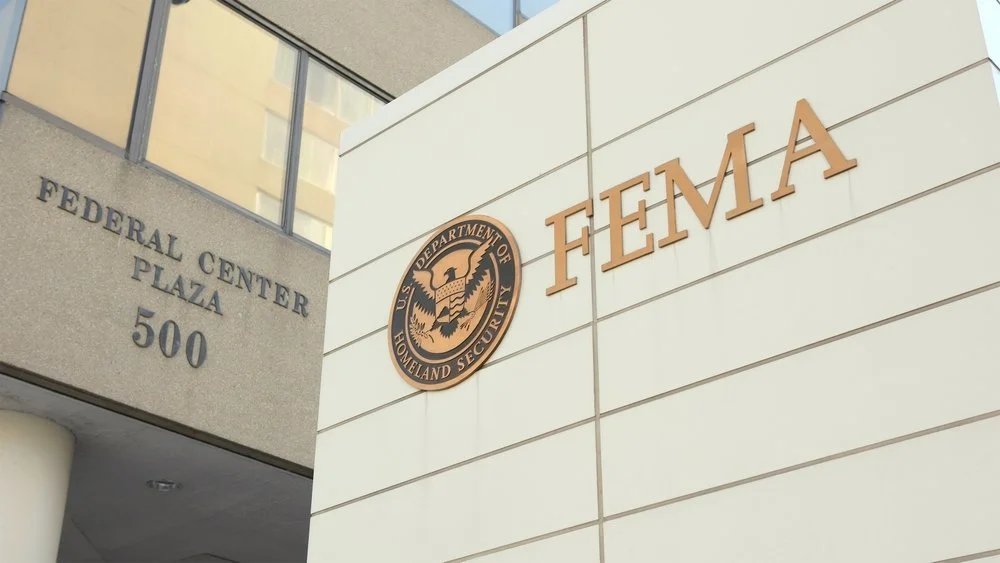
A string of news to report from the Federal Emergency Management Agency (FEMA).
First, Department of Homeland Security (DHS) Secretary Kristi Noem fired two dozen members of FEMA’s IT department, including senior leadership, after DHS found that they “brazenly neglected basic security protocols.”
Those fired include FEMA Chief Information Officer (CIO) Charles Armstrong, Chief Information Security Officer (CISO) Gregory Edwards, and 22 other FEMA IT employees.
According to DHS, a routine review uncovered the security vulnerabilities, which allowed a threat actor to breach FEMA’s network and “threaten the entire Department and the nation as a whole.”
DHS says the FEMA IT leaders resisted efforts to fix the issues, avoided scheduled inspections, and lied about the cyber threat. The failures include the use of prohibited legacy protocols, failing to fix known and critical vulnerabilities, an agency-wide lack of multi-factor authentication, and inadequate operational visibility.
“FEMA’s career IT leadership failed on every level. Their incompetence put the American people at risk,” said Secretary Noem.
But CNN reports that the firings sent “shockwaves” through FEMA, with some longtime officials describing the ousted leaders as “extremely competent” and “highly respected.”
FEMA Reform Bill Advances
Meanwhile, a bipartisan bill to reform FEMA advanced out of the House Transportation and Infrastructure Committee and heads to the full House for a vote.
The Fixing Emergency Management for Americans (FEMA) Act (H.R. 4669) is designed to streamline the disaster response process. It would take FEMA out of DHS and make it an independent agency reporting directly to the president. It also would put more power back for disaster response operations in the hands of states and would simplify disaster response applications. It also demands greater transparency.
“The FEMA Act is designed to address one simple fact that we all recognize, especially Americans who have been impacted by disasters: FEMA is not working the way it should for our communities,” said sponsor Rep. Sam Graves (R-MO), chairman of the House Transportation Committee.
FEMA Workforce Report
The talk of overhauling FEMA comes as the Government Accountability Office (GAO) released a new report on FEMA’s workforce, the first in a series of GAO reports on FEMA’s disaster response efforts. GAO found that shortfalls in FEMA’s workforce have impacted disaster recovery responses in the past and threaten to continue to do so.
The report notes that the number of FEMA employees fell by about 9.5 percent from January to June 2025. 1,465 of the 2,446 employees who left departed due to the workforce reduction program. And 20 of the 24 senior executives who left also departed due to the workforce reduction program.
OPM warns that the culling of staff threatens disaster response efforts, noting that while reform is in process, FEMA’s responsibilities never pause.
“FEMA and other federal agencies spreading a reduced number of staff across the same or a higher number of disasters nationwide could reduce the effectiveness of federal disaster response for upcoming disasters,” stated the GAO report.