
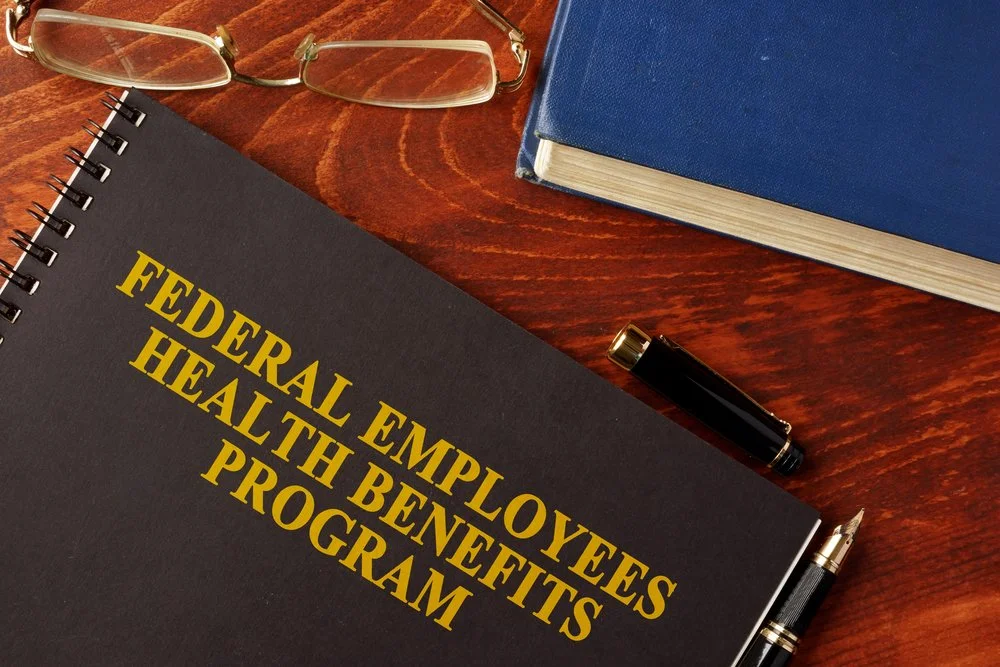
Open season is underway for federal employees– the time of year when employees select their health care plans and benefits for the upcoming year.
Open season runs from Monday, November 9, through Monday, December 14.
The average enrollee share of premiums will rise by 10.9 percent in 2027, although increases vary significantly by plan. Some enrollees, such as those with Self Only coverage in Kaiser Permanente High – Mid-Atlantic, will pay 3.7 percent less, while others, including Self Only enrollees in MHBP Standard, will see premiums rise by 63 percent.
Regardless of their current coverage, federal employees are encouraged to shop around and carefully evaluate which benefits they need and which they may be able to do without.
“I think most federal employees and annuitants can find a lower-cost plan option, depending upon how they’re enrolled,” said Kevin Moss of Consumers Checkbook, on a recent webinar from FEDmanager, FEDagent, and GEHA.
When it comes to selecting a plan, employees are encouraged to consider options such as High-Deductible Health Plans (HDHPs) and Consumer-Driven Health Plans (CDHPs), which can offer opportunities to lower health care costs compared with traditional preferred provider organization (PPO) plans.
Employees should also consider taking advantage of Flexible Spending Accounts through FSAFEDS to save on eligible health care expenses and weigh all potential costs when comparing plans, not just monthly premiums.
In addition, employees should check whether their plans cover medications such as GLP-1s, as coverage and associated costs can vary between carriers.
FEHB Review
Meanwhile the Office of Personnel Management (OPM) said it identified $106.7 million in improper payments made by the Federal Employees Health Benefits Program (FEHB) due to approximately 50,000 deceased people who were not removed from the rolls.
The review found $96.3 million in improper payments made after the date of death, including $70.6 million in government FEHB premium contributions and $25.7 million in retirement payments.
OPM also estimated $10.4 million in carrier costs tied to more than 20,000 individuals who remain on carrier rolls even though no government premium is being paid for them. Carriers charge FEHB funds monthly administrative and per-member costs.
“Every outdated enrollment record can carry a cost. This review is helping us find those records, identify payments that need action, and reduce unnecessary costs to FEHB,” said OPM Associate Director of Healthcare and Insurance Matthew Kiley.
OPM says it will examine claims that may have been paid after date of death in the coming weeks.