
Federal Benefit Cuts Hang in the Balance as Internal Fights Hit GOP Over Reconciliation Bill
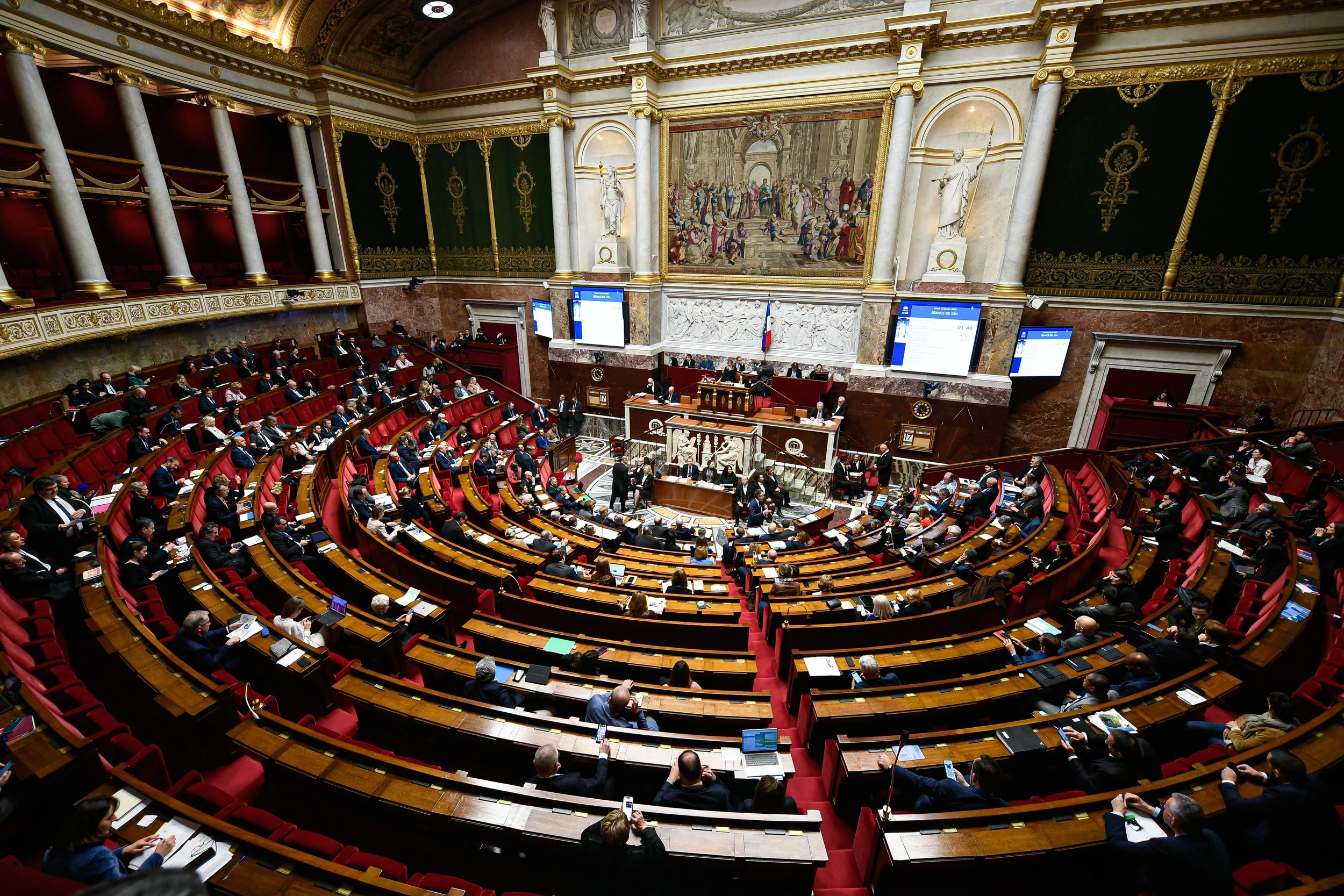
As the going gets tough, there are delays in the ongoing markup of the budget reconciliation bill that is currently pending in Congress.
In fact, some House Republicans are now hoping to get President Trump’s “one big, beautiful bill” through the House by the Fourth of July, instead of Memorial Day, although House Speaker Mike Johnson believes it will get done earlier than that.
This comes as two committees in charge of hot button spending issues delayed markup until the week of May 12.
Markups for the Energy & Commerce Committee was pushed as that committee considers controversial proposals with Medicaid, including one to cap Medicaid payments to states.
Also, the Ways & Means Committee is also delaying its markup. Ways & Means is considering the best ways to extend President Trump’s 2017 tax cuts. That includes debating whether to lift the cap on the state and local tax deduction (SALT).
Growing List of “Red Lines”
Speaker Johnson is facing a difficult task of getting his own members on the same page, given the volume of policy proposals in the bill.
According to the Washington Post, there is a growing list of “red lines” among various members, including rolling back spending to pre-pandemic levels, reinstating the full state and local tax deduction, and preserving Medicaid.
“Some of these are clearly in conflict,” said Rohit Kumar, co-leader of PricewaterhouseCoopers’ national tax office and former aide to Senator Mitch McConnell (R-KY).
Federal Benefits
Another open question is the scope of the cuts to federal employee benefits.
Last week, the House Oversight and Government Reform Committee narrowly advanced its portion of the budget bill by a vote of 22-21. The Oversight Committee was charged with finding $50 billion in cuts over ten years and came up with the following:
Raise the contribution for all employees to the Federal Employees Retirement System (FERS) to a mandatory 4.4 percent.
New hires would have to choose between waiving their federal employment protections and being at-will employees, or paying 5% more to their FERS annuity (for a total of almost 10%).
Eliminate the FERS supplement for employees who retire before Social Security
kicks in at age 62. The supplement was preserved for only those in public safety roles with mandatory retirement.
Change the formula for calculating an annuity from the average of highest three
years of salary to the average of the highest five years.
Establish a fee of $350 for employees to file an appeal with the Merit Systems
Protection Board (MSPB).
The FERS annuity supplement changes would go into effect when the bill is enacted. The committee adopted an amendment postponing the High 3 to High 5 annuity change to be effective January 1, 2027.
However, the bill’s status is unclear when it advances to the House Budget Committee. Republican Mike Turner of Ohio, the only Republican to vote against the budget bill, said “I believe that making changes to pension retirement benefits in the middle of someone’s employment is wrong.”
There is a possibility that additional Republicans echo Representative Turner’s views.
“I have talked to enough people on the House floor that I do think that this will not be included in the final bill, and that this bill ultimately will have to be changed if it’s going to be included,” said Representative Turner.