
Democrats Warn MSPB Decision Could Weaken Civil Service Protections
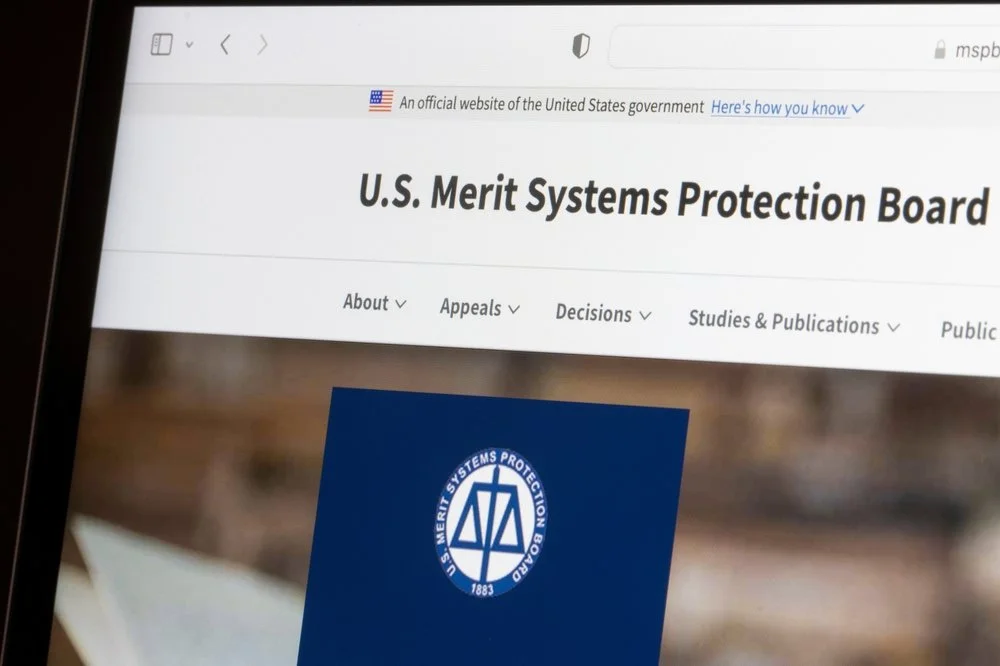
A group of Congressional Democrats is urging a federal appeals court to overturn a Merit Systems Protection Board (MSPB) decision upholding the firing of two immigration judges. They say allowing the ruling the stand could weaken longstanding civil service protections and give the executive branch broader authority to remove "countless" federal employees.
The 46 House and Senate Democrats filed an amicus brief with the U.S. Court of Appeals for the Federal Circuit, arguing that upholding a March MSPB ruling could “fundamentally alter the balance of power between the executive and legislative branches.”
Presidential Power Tested
The case stems from the MSPB’s March 2026 decision to uphold the firings of two federal immigration judges — Megan Jackler and Brandon Jaroch.
The Department of Justice (DOJ) argued the removals of Jackler and Jaroch were permissible because immigration judges are “inferior officers” who can be dismissed at will under the president’s constitutional authority, despite protections Congress established under the Civil Service Reform Act.
DOJ has also argued that immigration judges exercise significant executive authority and therefore fall under the president's constitutional removal power.
In their brief, however, the lawmakers argue that Congress has the constitutional authority to establish protections for federal employees, including notice of proposed discipline, an opportunity to respond, and the right to appeal adverse personnel actions. They say that presidential authority under Article II does not allow the executive branch to bypass those statutory protections.
They also warn that the ruling could eventually allow large numbers of federal employees to be classified as “inferior officers” and removed at will, arguing that the civil service merit system would “functionally cease to exist.”
The brief calls for both Jackler and Jaroch to be reinstated to their positions
The Federal Circuit granted a rare en banc or full bench hearing for the case which is expected to be heard in the fall. En banc hearings are reserved for cases of high importance.