

Congress Passes FY 2021 Government Funding, Coronavirus Relief Legislation
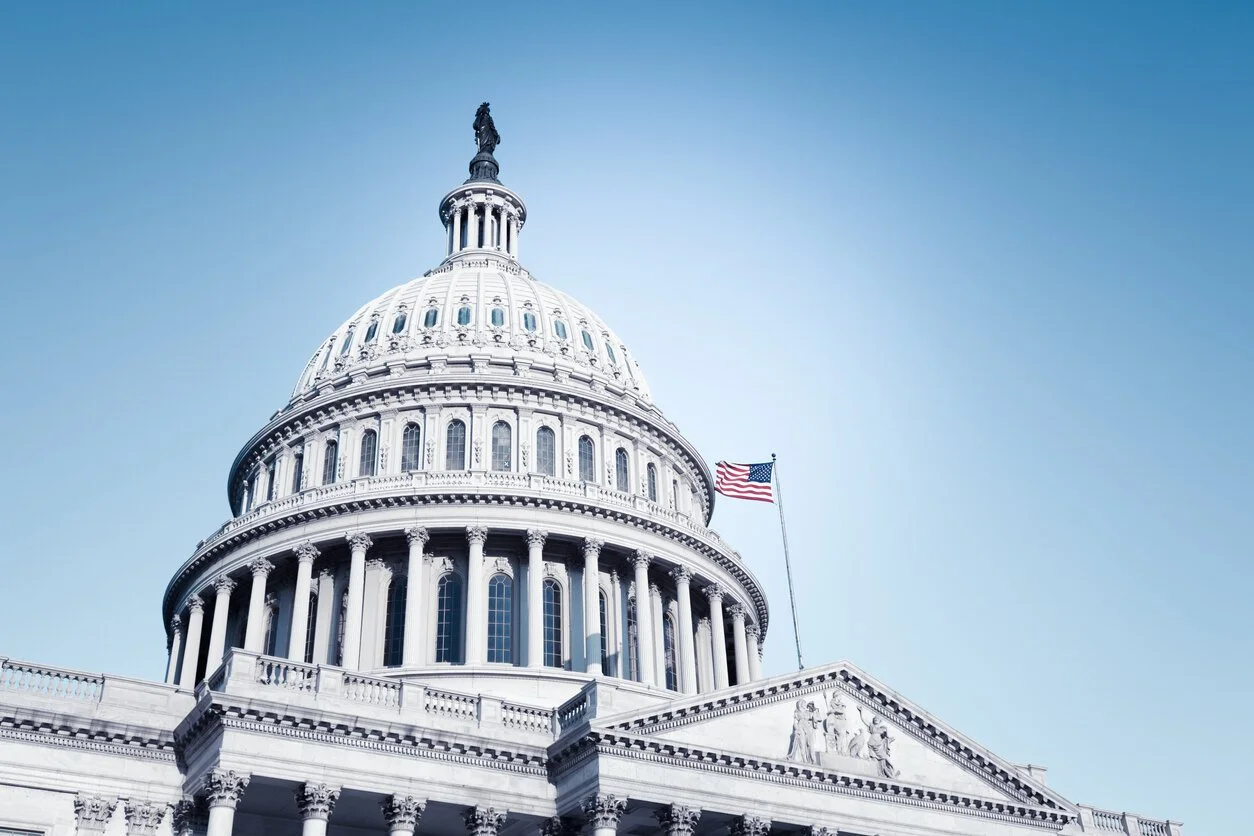
After several continuing resolutions to buy lawmakers additional negotiating time, Congress has passed a $2.3 trillion government funding and coronavirus relief package. As long as President Trump signs the measure by December 28, the federal government will not shut down this year. The package allows for a 1 percent pay raise for civilian federal employees and includes $900 million in coronavirus relief, but the bill has been criticized for failing to take action on controversial federal workforce policies implemented by the Trump administration.
The House approved the measure in two parts on Monday, December 21, 2020. The first portion passed in a 327 to 85 vote, including funding for the Department of Defense, Commerce-Justice-Science agencies, the Department of Homeland Security, and the Financial Services-General Government agencies. The House passed the second part, including the other spending measures and coronavirus relief, by a vote of 359 to 53.
The Senate passed the measure holistically in a 92 to 6 vote on the same day.
The measure is silent on a federal civilian pay raise, effectively deferring to the president’s proposed 1 percent increase. This increase does not include changes to locality pay rates for civilian employees.
The Department of Agriculture, Food and Drug Administration, and related agencies received a $51.9 billion funding increase from FY 2020 levels. The Department of Justice (DOJ) saw a nearly $1.2 billion increase compared to FY 2020. Meanwhile, the Department of Commerce received roughly $6.3 billion less than the agency received in FY 2020. The decrease is attributed to a reduction in Census Bureau funding due to the conclusion of the 2020 Census.
Under the legislation, the Internal Revenue Service (IRS) would receive a $409 million funding increase from FY 2020, which is still $519.4 million less than the president’s budget request. The IRS is also tasked with delivering coronavirus relief for the American people, including direct payments of roughly $600 for many Americans.
Executive Director Chad Hooper of the Professional Managers Association (PMA)- which was formed in 1981 by IRS Managers as a national membership association representing the interests of professional managers, management officials and non-bargaining unit employees in the federal government- said in a statement, “As the IRS works through coronavirus relief and the regular filing season, we appreciate the modest funding increase provided by Congress, particularly in areas such as enforcement where the IRS has seen several budget cuts over the last decade. Unfortunately, this modest increase in funding still places the IRS far behind its funding levels of 2009, the last time the IRS engaged in such large scale economic relief activity. Additional funding will be necessary to modernize the IRS and increase its capacity to serve the American people.”
Nearly all of the Department of the Treasury’s $429.9 million funding increase has gone to the IRS.
Other departments seeing a funding increase include the Environmental Protection Agency, Department of Education, Department of Labor, Department of State, Department of Transportation, Department of Housing and Urban Development, and Department of Veterans Affairs. Agencies that saw funding cuts include the Department of the Interior, Federal Emergency Management Agency, Small Business Administration, and U.S. Postal Service.
The legislation did not include a provision blocking implementation of the White House Executive Order Creating a Schedule F in the Federal Government, as some stakeholders and members of Congress had called for.
Representative Gerry Connolly (D-VA) blamed Republicans in a statement saying, “I am deeply disappointed Republicans were unwilling to stand up for our federal employees and reject President Trump’s Schedule F executive order that undermines our 140 year professional civil service. Congress must protect the civil service and I will look forward to working with the Biden administration to reverse this executive order with all deliberative speed.”
The Senior Executives Association Interim President Robert Corsi placed blame on Congress as a whole and noted the potential impact of a Schedule F on the deliverance of coronavirus relief. Corsi said in a statement, “Congress funded significant coronavirus related aid and relief in this legislation, however, the creation of Schedule F negatively impacts how the services funded will be delivered. Rather than allowing these plans to be carried out by federal employees with significant expertise in their field, under the schedule F executive order, the delivery of government services is subject to partisan influence. Employees executing our nation’s largest vaccination effort in history can be chosen and removed based on political affiliation rather than merit. This pandemic has been politicized at every step. In allowing this executive order to stand, Congress has allowed that politicization to be taken to the next level.”
Correction: An earlier version of this article mentioned cost of living adjustments instead of locality pay rates.
