
Congress Appears Stuck on Healthcare Subsidies as Shutdown Clock Ticks
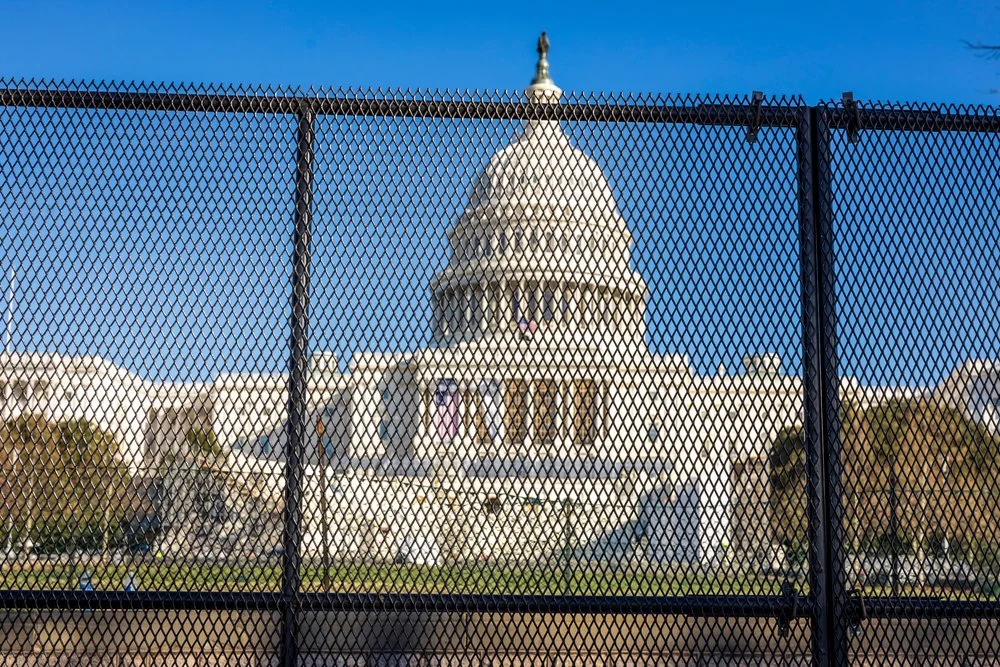
It’s a last-minute scramble on Capitol Hill to avoid a government shutdown, with funding set to expire as October 1 begins. However, both Republicans and Democrats appear to be digging in and giving no indication of a deal.
Here’s the main issue: Republicans want a clean continuing resolution (CR) that would extend government funding at current levels until November. That would give lawmakers time to work on full year fiscal year 2026 appropriations bills.
However, Republicans need Democratic votes in the Senate and Democrats insist a deal must include an extension of the enhanced subsidies for health insurance under the Affordable Care Act (ACA). Democrats also want some checks on the administration’s moves to claw back congressionally appropriated funds.
White House Meeting Falls Flat
On Monday, President Trump hosted congressional leaders from both parties at the White House. According to reports, the president was open to negotiating on the ACA subsidies. But hours later, he changed his tune saying he wouldn’t help subsidize health insurance for undocumented immigrants.
And Senate Minority Leader Chuck Schumer (D-NY), said the meeting did nothing to resolve “very large differences” between the parties.
Senator Schumer also took aim at Republicans for saying they plan to negotiate an extension of ACA subsidies after a short-term funding bill is passed.
“So we think when they say later, they mean never,” said Senator Schumer. “We have to do it now, first because of the timing issue and second, because now is the time we can get it done.”
Republicans say the shutdown blame is squarely on the Democrats.
“It is totally up to the Democrats, because right now they are the only thing standing between the American people and the government shutting down,” said Senate Majority Leader John Thune (R-SD) on the Senate floor.
Federal Worker Groups Respond
Meanwhile, federal worker groups are urging Democrats to stand strong and force a shutdown even if it means going without pay for workers.
“We believe the most important thing is fighting against the centralization of executive power and for the long-term survival of the critical services the federal government provides, even if that means allowing the government to temporarily shut down,” wrote the Federal Unionists Network and 35 local, council and national unions to Democratic Congressional leaders.